Our Projects | GCT Consulting & Training

Explore GCT's portfolio of 900+ consulting projects across Palestine and the Arab region, spanning governance, M&E, agriculture, justice, social development, economic development, water, and education.

900+

Delivered Projects

27+

Years of Experience

400+

Key Clients & Donors

8

Specialized Sectors

Our Project Portfolio

Explore our portfolio of projects delivered across multiple sectors with local and international partners.

Our Project Portfolio

Thematic Programme Evaluation Path to Economic Recovery: Facilitating Decent Jobs in the Gaza Strip
2021
Project

Thematic Programme Evaluation Path to Economic Recovery: Facilitating Decent Jobs in the Gaza Strip

The program ‘Path to Economic Recovery: Facilitating Decent Jobs in the Gaza Strip’ is one of several interventions implemented by UNDP to build the resilience of the Palestinian people, and is aligned with UNDP’s overall approach of Transformative Resilience. It aims to link short-term dignified jobs to longer-term sustainable employment, and combines short, medium and long-term job creation initiatives along with support to existing enterprises and incubation of new enterprises. The Programme is implemented through different interventions designed to stimulate the Gaza economy and lead to further employment creation. It is part of UNDP’s larger work of preserving gains across the SDGs and adopting the ‘leave no one behind’ principle.UNDP/PAPP is responsible for implementation of the programme, in partnership with local NGOs/entities include; Gaza Cultural Development Group (GCDG); Palestinian Fund for Employment and Social Protection for Workers (PFESP); Cooperative Agriculture Association Beit Hanoun (CAAB); Democracy and Workers’ Rights Center Society (DWRC); The Society of Women Graduates (SWG); and Job creation program (JCP).The programme has four outputs; Output 1: Gazans have greater access to short-term dignified job opportunities in private and public sectors (including C4W initiatives and internship/ apprenticeship opportunities); Output 2: Youth have improved capacities in technical and vocational education and training; Output 3: Young entrepreneurs have greater access to medium- and long-term employment opportunities (particularly through e-works or electronic platforms to access opportunities outside of Gaza); and Output 4: SMEs have strengthened capacities in sustaining and growing their businesses in the market. For the meanwhile, ongoing interventions are mainly under output 1 and through the Cash for Work initiatives that strive to empower youth, women and marginalized groups in the GS by supporting them to have greater access to decent productive jobs and contribute to sustainable and inclusive economic development. Therefore, a thematic evaluation is needed to provide evidence and recommendations on the achievements and results of UNDP’s short-term job creation initiatives under this output against the results and resources framework, identifying factors that have hindered or facilitated the success of the programme so far, and identifying lessons learned and best practices.To this end, UNDP has contracted General Consulting and Training (GCT), to implement the thematic evaluation for the “Path to Economic Recovery: Facilitating Decent Jobs in the Gaza Strip’ program according to their requirements and expectations.
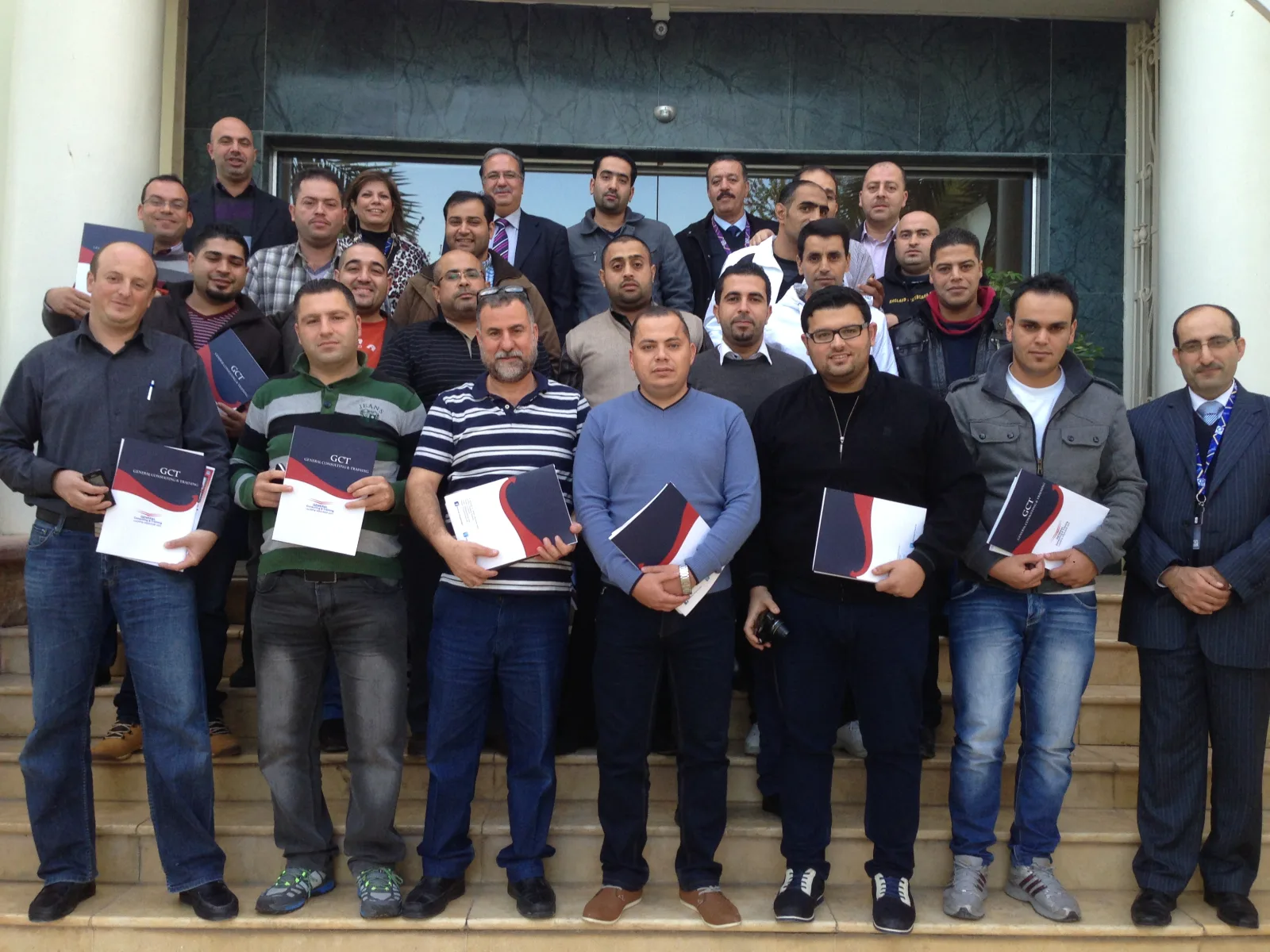
Implemented by UNDP/PAPP, in partnership with local NGOs/entities. Funded by the Government of Norway, Government of Japan and Swiss Agency for Development \& Cooperation (SDC)
Gaza Strip
Provide Specialized Training for Supervisors, General Managers for Directories and Social Workers for the CMS implementation for the 7 projects targeted Directories+ 5 additional Directories
2020
Project

Provide Specialized Training for Supervisors, General Managers for Directories and Social Workers for the CMS implementation for the 7 projects targeted Directories+ 5 additional Directories

Provide Specialized Training for Supervisors, General Managers for Directories and Social Workers for the CMS implementation for the 7 projects targeted Directories+ 5 additional Directories — World Bank –funded Social Protection and Enhancement Project Management Unit (PMU),For the benefit of Ministry of Social Development (MOSD)

World Bank –funded Social Protection and Enhancement Project Management Unit (PMU),For the benefit of Ministry of Social Development (MOSD)
West Bank
Provide Specialized Training for General Managers and deputies for Directories for the CMS implementation for the 7 projects targeted Directories+ 5 additional Directories
2020
Project

Provide Specialized Training for General Managers and deputies for Directories for the CMS implementation for the 7 projects targeted Directories+ 5 additional Directories

Provide Specialized Training for General Managers and deputies for Directories for the CMS implementation for the 7 projects targeted Directories+ 5 additional Directories — World Bank –funded Social Protection and Enhancement Project Management Unit (PMU),For the benefit of Ministry of Social Development (MOSD)

World Bank –funded Social Protection and Enhancement Project Management Unit (PMU),For the benefit of Ministry of Social Development (MOSD)
West Bank
Provide Specialized Training for Supervisors for the CMS implementation for the 7 projects targeted Directories+ 5 additional Directories
2020
Project

Provide Specialized Training for Supervisors for the CMS implementation for the 7 projects targeted Directories+ 5 additional Directories

Provide Specialized Training for Supervisors for the CMS implementation for the 7 projects targeted Directories+ 5 additional Directories — World Bank –funded Social Protection and Enhancement Project Management Unit (PMU),For the benefit of Ministry of Social Development (MOSD)

World Bank –funded Social Protection and Enhancement Project Management Unit (PMU),For the benefit of Ministry of Social Development (MOSD)
West Bank
Provide Specialized Training for Social workers for Directories for the CMS implementation for the 7 projects targeted Directories+ 5 additional Directories
2020
Project

Provide Specialized Training for Social workers for Directories for the CMS implementation for the 7 projects targeted Directories+ 5 additional Directories

Provide Specialized Training for Social workers for Directories for the CMS implementation for the 7 projects targeted Directories+ 5 additional Directories — World Bank –funded Social Protection and Enhancement Project Management Unit (PMU),For the benefit of Ministry of Social Development (MOSD)

World Bank –funded Social Protection and Enhancement Project Management Unit (PMU),For the benefit of Ministry of Social Development (MOSD)
West Bank
Optimization and Flowcharting of Police Standard Operating Procedures
2020
Project

Optimization and Flowcharting of Police Standard Operating Procedures

On behalf of the German Federal Foreign Office (AA), the Deutsche Gesellschaft für Internationale Zusammenarbeit (GIZ) GmbH is supporting the Palestinian Civil Police (PCP) with the program “Strengthening of Police Structures, Phase IV”(SPS),commissioned from October 2018 to September 2020. The main objective of the program is to enable the PCP to provide citizen-oriented services based on professional standards and to contribute actively to security and law enforcement. During Phase II until 2015, piloting a newly developed organizational model at four community police stations (CPS) set the foundation for applying a uniform structure throughout the West Bank as well as for reviewing the CPS training course at the Palestine College for Police Sciences (PCPS).In a parallel initiative launched in the district of Tulkarem in 2016/17, a mobile police station (MPS) was piloted as an innovative tool to increase patrolling in remote areas. Given the successful outcome of this pilot, the roll-out of a total of eleven newly designed vehicles to all districts in the West Bank has been concluded in 2019. Currently MPS visits are being conducted to marginalized and remote areas throughout the West Bank. Organizational models for City Police Station and District Command in Jenin (incl. mandates, organizational structures, standard operating procedures, MoU, and monitoring and evaluation documents) were developed by the police under the supervision and guidance of the Police Program team. One of the outputs developed was the standard operating procedures for sixteen (16) branches of police specialized departments. As the police lack the IT knowledge and tools, the main purpose of this assignment is to review, optimize and flowchart up to 400 procedures for the district police in Jenin. Expert is required to review the operating procedures with the police technical team to ensure, functionality and validity during the piloting phase which will start in September 2020. During the piloting phase, changes and modifications might apply.To this end GIZ has contracted General Consulting and Training Company, to implement this assignment according to their requirements and expectations.
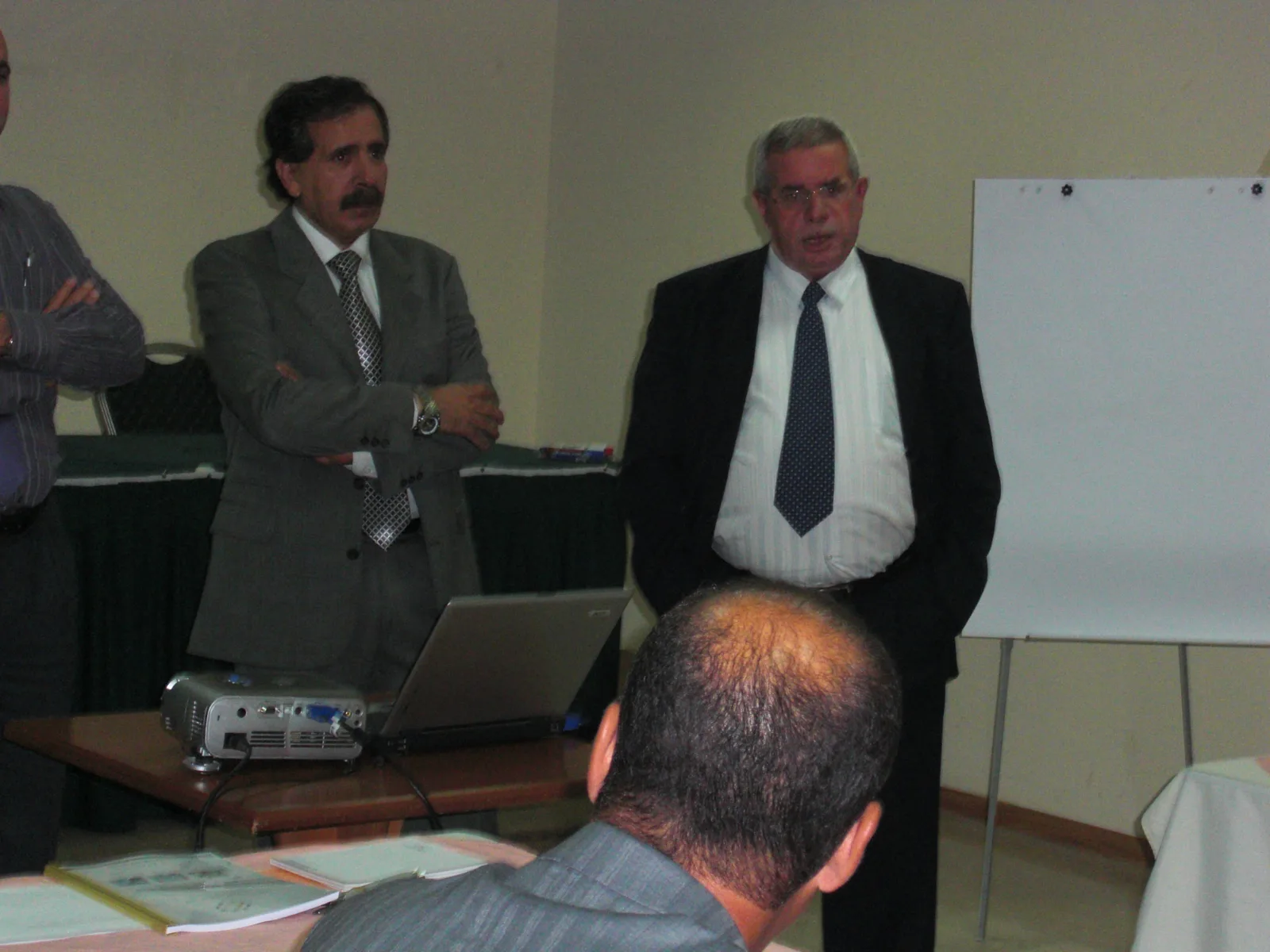
Funded by GIZ, for the benefit of the Palestinian Civil Police (PCP)
West Bank
Final Evaluation for the “Transboundary Wastewater Pollution Control” Project
2020
Project

Final Evaluation for the “Transboundary Wastewater Pollution Control” Project

The Project “Transboundary Wastewater Pollution Control Project” is a UNDP/PAPP initiative that aims to strengthen the wastewater infrastructure in critical locations and support the Palestinian Water Authority (PWA) in improving its transboundary wastewater management. The Project is funded by the Netherlands with a total budget of USD 6,708,488.Palestinian Water Authority (PWA), Ministry of Local Government (MOLG), and the Municipalities of Baqa Al-Sharqia, Nazlet Issa and An-Nazleh Asharqia were the key implementing partners of this Project. With approaching the end of project, a final evaluation was necessary to provide a comprehensive and sufficient analysis of the project for the years of operation by conducting an independent external assessment of the level of achievement, performance and impacts of the set objectives and expected results/outputs/outcomes/activities listed in the project documents, determine the successes and/or shortcomings, as well as the factors that have hindered or facilitated the success of the project, identify lessons learned and best practices, in addition to provide recommendations to be considered in future programming.Based on the foregoing, UNDP/PAPP is seeking an eligible firm to conduct the final evaluation for the “Transboundary Wastewater Pollution Control” Project“. To this end, UNDP has contracted General Consulting and Training (GCT), to implement this assignment according to their requirements and expectations.
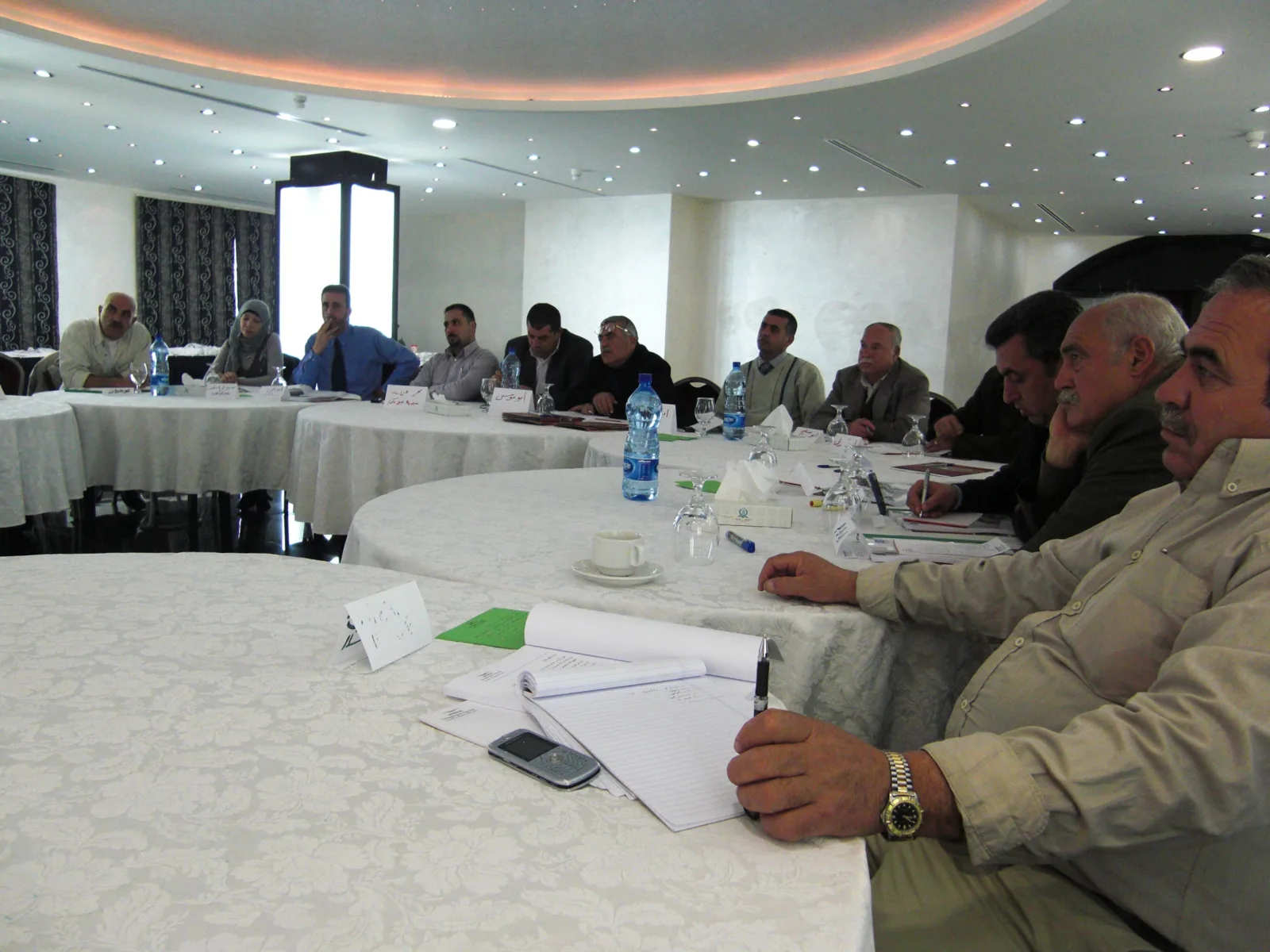
Funded by United Nation Development Program (UNDP/PAPP), for the benefit of PWA and 6 targeted municipalities in Baqa Asharqia, Zeita and Nazlat
West Bank (Jenin and Tubas).
On – the Job Training on Value Skills for Small Businesses and Chain and Marketing in six villages in the Jordan Valley, under the project of “Rural Development Project in Area C”
2020
Project

On – the Job Training on Value Skills for Small Businesses and Chain and Marketing in six villages in the Jordan Valley, under the project of “Rural Development Project in Area C”

Rural Development Project (RDP), is implemented through the Department of projects of the MoLG and linking with Local Governments Units (LGUs) in the targeted communities, and funded by French Development Agency (AFD), this project targeted communities in Area C of the Jordan Valley. The general objective of this project is to contribute to the reinforcement of the resilience of Palestinian communities in Area C. Resilience is defined as the ability of palestinian communities to cope with a host of socioeconomic and political shocks that threaten their assets, way of life, and their continued presence on their land.Within the framework of the project activities is to enhance capacity building for both MoLG and the LGU’s for planning and Development in order to support the Palestinian communities in Area C. MoLG/RDP contracted GCT to conduct on the Job Training on Value Skills for Small Businesses in six villages in the Jordan Valley (Ein Shibli, Froush Beit Dajjan, AlJiftlik, Marj Ghazal, Marj N’aja and Azzubaidat), as one of the capacity building activities that aimed at strengthening and supporting the targeted beneficiaries of these villages who gained grants to establish their own small projects under the first component of this project (Community empowerment) and, since the economy of the target areas has a strongly agricultural focus, most are benefiting from component 2 (support to livelihoods) in which most of them are women who gained these grants to have and manage their own projects, as the total labour force in the agricultural sector in Palestine and these villages are women. On the job training covered different topics including; Farm and agricultural projects management, Veterinary guidance & Public health, Marketing of agricultural/cooperatives products and Food Processing Training.

For the benefit of Ministry of Local Government (MoLG); Funded by French Development Agency (AFD)
West Bank
Review of ICT Legal Framework and assessment of ICT for agricultural innovation in the State of Palestine
2019
Project

Review of ICT Legal Framework and assessment of ICT for agricultural innovation in the State of Palestine

Innovation and ICT Sector Development as a Tool for Peace and Prosperity in State of Palestine project was implemented by UNDP in partnership with the Ministry of Telecom and Information Technology (MTIT) and Ministry of Agriculture (MOA), it aimed to contribute to innovation development and ICT for the economic development of Palestine.Under this project, as it is well- known that development and investment in any sector requires a solid legal and legislative ground in order to succeed and sustain, by understanding whether recent developments in these sectors exposed anomalies in the legal and regulatory environment have; to identify where the current policy objectives have and have not been achieved, and to understand policy goals may need to be set in response to the changed and foreseeable environment both locally and globally, UNDP contracted GCT to conduct review of ICT Legal Framework and assessment of ICT for agricultural innovation in the State of Palestine. The general main purpose of this assignment was to enhance the enabling environment for ICT developments and entrepreneurship through achieving the following sub-objectives:Reviewing the national ICT legal and policy framework with special focus on ICT for agricultural sector (Argo-Tech).Identifying structural anomalies in the governance model and any shortfalls identified in the legal and institutional framework that may presently inhibit the normal development of the sector.Identifying policies and seek to ensure the efficient operation and development of ICT sector and related areas of activity, such as that of the Agricultural Sector as a source of economic growth and prosperity to the state of Palestine.

Funded by UNDP / PAPP; for the benefit of Ministry of Agriculture and Ministry of Telecom and Information Technology of the State of Palestine.
West Bank
Develop and Implement a Baseline Study for the benefit of Ministry of Agriculture (MoA).
2019
Project

Develop and Implement a Baseline Study for the benefit of Ministry of Agriculture (MoA).

The Government of Palestine has received a financing from the International Fund for Agricultural Development (IFAD) and from OFID towards the cost of Resilient Land & Resource Management Project (RELAP) which will be implemented over a 6 year period, starting in the course of the second semester of 2018. The RELAP investments are organized into three major components: 1) Climate adaptive land development; 2) Market linkages for the rural poor; 3) Improved public services for up scaling climate resilient agricultural land use and production systems. IFAD intends to apply a portion of the proceeds of this load to eligible payments under this contract to conduct a Baseline Study. The main objectives of this Baseline Study are: to collect qualitative and quantitative information on the socio-economic conditions of potential project beneficiaries and to quantify the initial baseline values for the project long-frame indicators. This to be done through conducting baseline surveys. It is worth to mention that the collected information will not only be used as a reference against which project results and impact will be measured, it will also help detailed project interventions based on documented marketing constraints and opportunities.The baseline data will be used as guidance and specific tool for monitoring process among project beneficiaries to document changes in beneficiary’s socio-economic situation. By using comprehensive baseline data of the socio-economic situation of project beneficiaries prior to their participation in project activities.To this end, MOA has contracted General Consulting and Training (GCT), to implement this assignment according to their requirements and expectations.
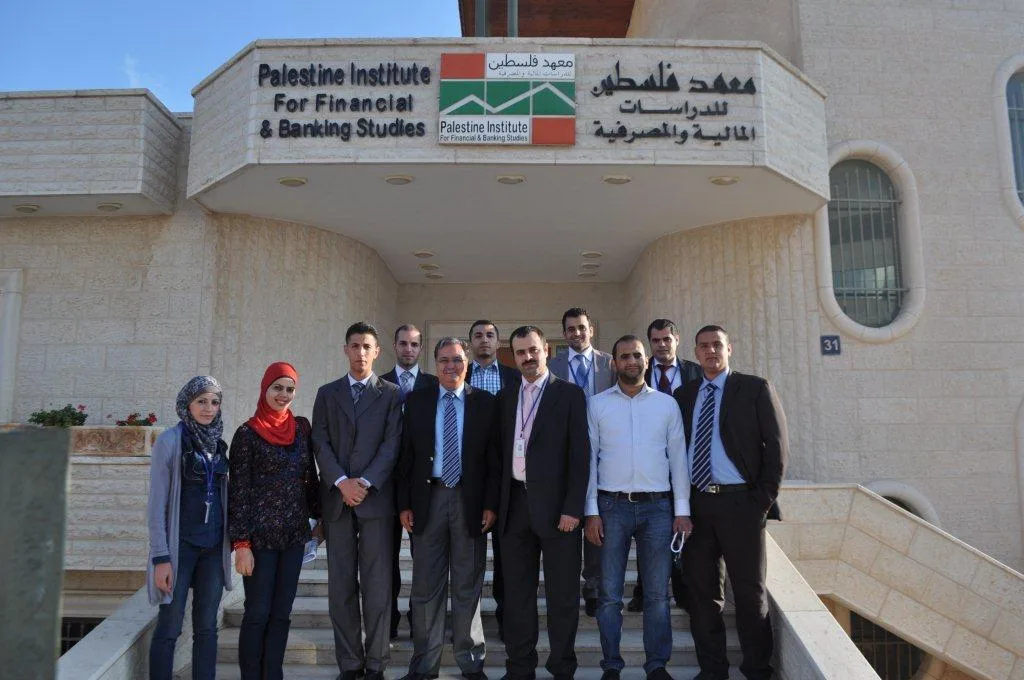
Funded by the OPEC Fund for International Development and the International Fund for Agricultural Development; for the benefit of Ministry of Agriculture.
West Bank
Consulting Inquiries

Need Expert Consulting Services?

Partner with GCT for high-impact advisory and project delivery across Palestine and the region.

Live Support & Inquiries

GCT Advisory Team