Our Projects | GCT Consulting & Training

Explore GCT's portfolio of 900+ consulting projects across Palestine and the Arab region, spanning governance, M&E, agriculture, justice, social development, economic development, water, and education.

900+

Delivered Projects

27+

Years of Experience

400+

Key Clients & Donors

8

Specialized Sectors

Our Project Portfolio

Explore our portfolio of projects delivered across multiple sectors with local and international partners.

Our Project Portfolio

Impact Assessment Survey of JICA's Major Projects in Assisting Palestine.
2012
Project

Impact Assessment Survey of JICA's Major Projects in Assisting Palestine.

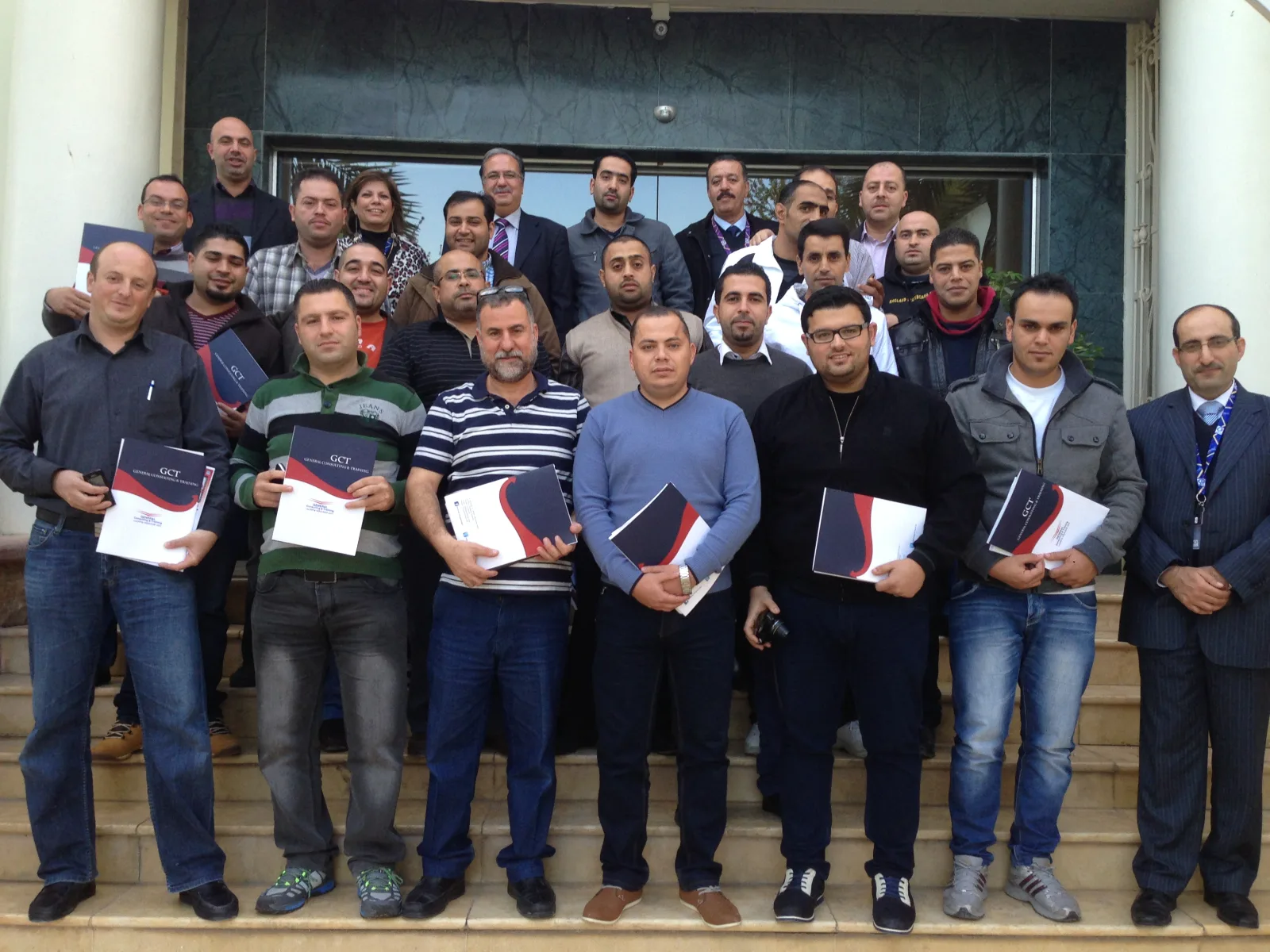
The Japanese government has provided assistance and big support to Palestine since 1994 until now by the Japan International Cooperation Agency (JICA) as the implementing organization to the Japanese government’s assistance policy toward Palestine, which reflected in the “Corridor for Peace and Prosperity”. JICA has played a significant role in Palestine from 1997 by addressing the Seven Priority Areas and expanding its cooperation to Palestine.JICA has contracted Japanese consultant team (consortium structured by Oriental Consultants Co, Ltd. and KRI International Corp) to conduct a survey titled “Data Collection Survey on Assistance Approach in Palestine”, for the purpose of achieving this study the consortium in turn has contracted GCT to conduct an Impact Assessment of JICA's Major Projects in Palestine to be a reliable reference for JICA in planning its operation and strategy toward assistance for Palestine.The main objectives of this study were to assess the individual and collective impacts with quantitative and qualitative analysis of the major projects in the seven priority areas (SME development & export facilitation, agriculture, tourism, local governance, public finance management, water & waste water management, health, and education) in which JICA has been committing, through the following sub objectives: To find good practices and success stories in each area form micro to macro levels (communities to governmental levels).To review to what extent each of projects has positively impacted on the fulfillment of sector goal set by Palestine - National Development plan.To suggest, whenever possible, the further actions, remedies needed to ensure positive impact generated, sustainability and sound development of each cooperation area or sector.To pinpoint both positive and negative factors and drawbacks associated with each of projects and/or target area, individually and collectively.
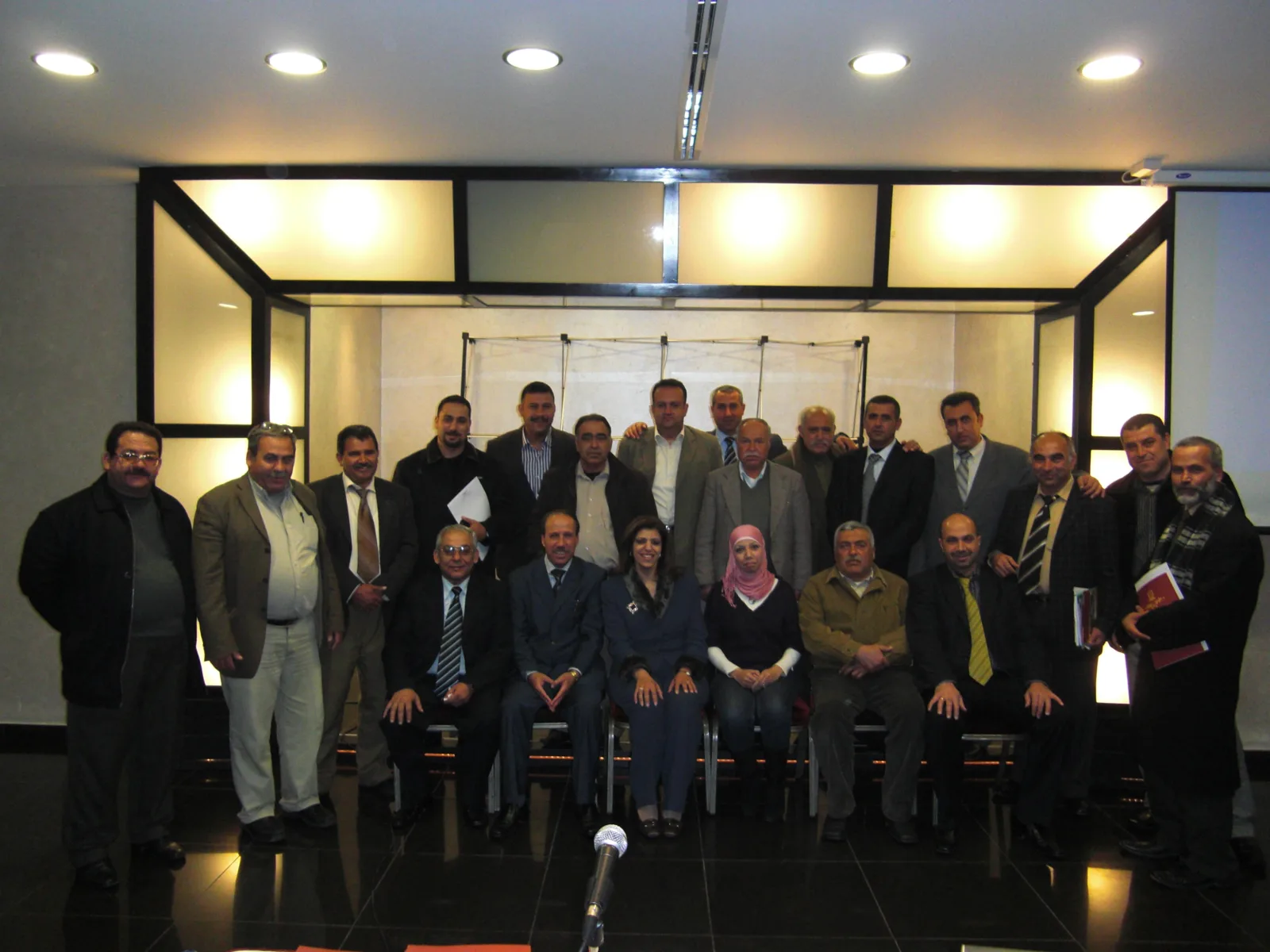
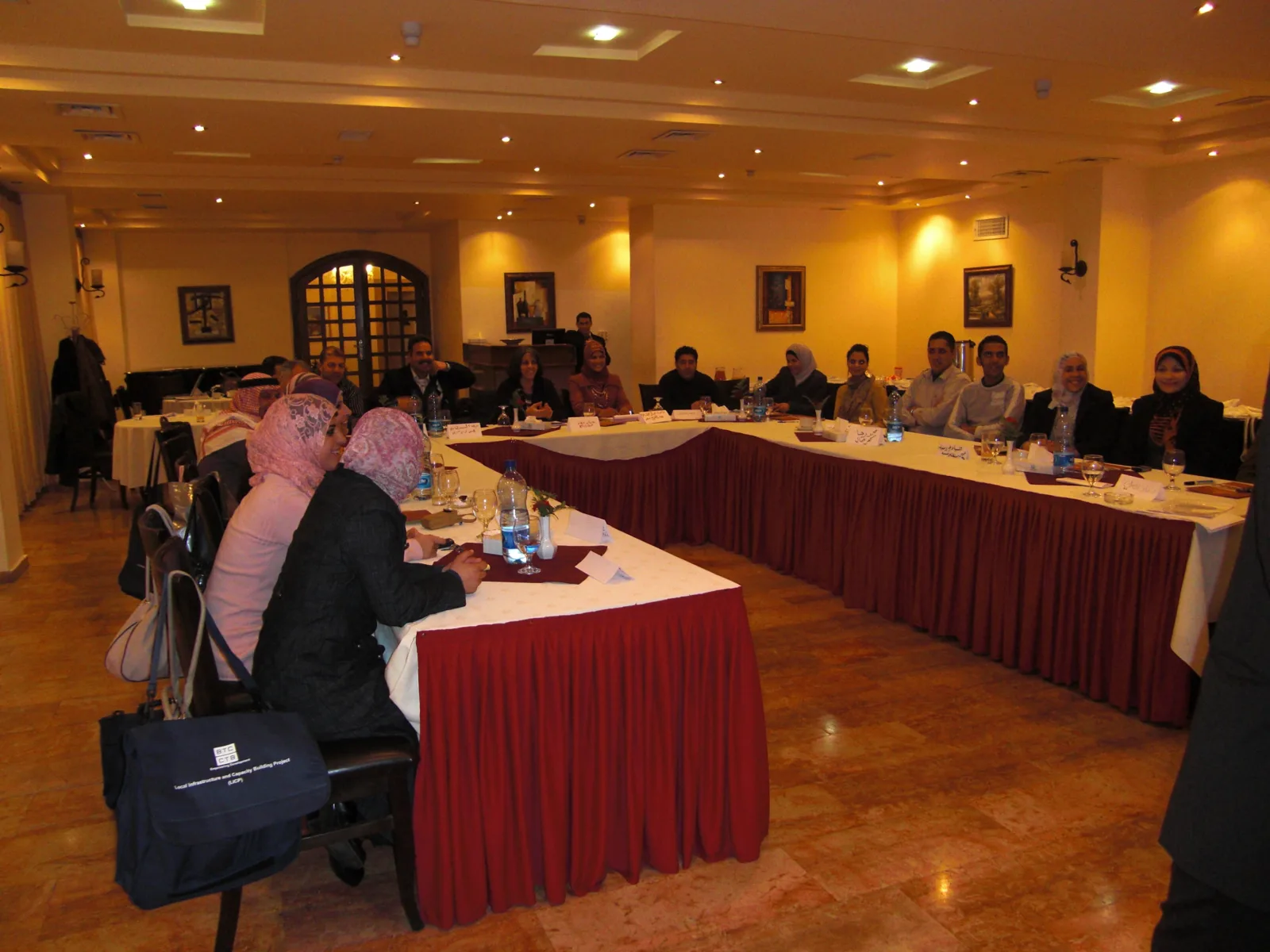
Funded by Japanese consultant consortium (Oriental Consultants Co, Ltd. and KRI International Corp), JICA study team of “Data Collection Survey on Assistance Approach in Palestine”; for the benefit of Japan International Cooperation Agency (JICA).
West Bank –Ramallah
Support to the European Commission in the assessment of the employability situation of Area C in the West Bank of the Occupied Palestinian Territory (oPt), and formulation of a program to support TVET in Area C.
2012
Project

Support to the European Commission in the assessment of the employability situation of Area C in the West Bank of the Occupied Palestinian Territory (oPt), and formulation of a program to support TVET in Area C.

The European Training Foundation (ETF) is a specialized agency of the European Union based in Italy.It provides advice and assistance to the European Commission and 30 partner countries for the reform of human capital development policies & helps transition and developing countries to harness the potential of their human capital through the education, training and labour market systems reform.In light of a direct request by the European Representative office in WB&GS and in cooperation with GIZ , ETF has formulated a TVET support program for three governorates in the West Bank (Bethlehem ,Hebron, and Nablus) which aimed to support TVET institutions in these governorates to deliver more relevant training to equips Palestinians trainees with the required qualifications/capacities by the labor market . within this context , the European Union Representative office asked ETF to carry out an assessment of employability situation in Area C which in turn contracted Transtec to implement this study. The main objective of this study was to support the European Commission in assessment the employability situation in Area C in the West Bank and formulation a program to support TVET in this area through the following set of activities: A qualitative assessment of the knowledge, skills and abilities of the labor force in targeted areas and its capacities to access the labor market.A qualitative and quantitative assessment of the job opportunities in the targeted areas.Recommendations for future interventions, including a mapping of partners operating already in area C.A digital map of labor data in the area C, based on the labor force survey data of the West Bank.To this end, Transtec in turn has contracted GCT to provide qualified local experts with required competences to work in achieving the study objectives and cooperating with other international experts for that purpose.

Funded by European Training Foundation (ETF) - TVET supporting program, implemented by Transtec.
West Bank –Area C
Ex-Post Evaluation Study of Third Country Training Programs (TCTP) in Jordan.
2011
Project

Ex-Post Evaluation Study of Third Country Training Programs (TCTP) in Jordan.

The Third Country Training Program (TCTP). Under the frame work of this program, several training programs were held in Jordan for the benefit of Palestinian public servants who belong to three major sectors in palestinian government which are: Civil Defense, Water and Justice . These training programs were designed by the Palestinian National Authority, Japan International Cooperation Agency (JICA) -Jordan office of Jordan government, and held by Jordanian implementing organizations with financial and technical support from JICA - Jordan office.The main objectives of these programs were to provide the participants from the beneficiary organizations with an opportunity to improve their knowledge, technical and technological capacity in these sectors.The training programs for civil defense sector were implemented by Jordan Civil Defense Directorate (JCDD) and continued in an intermittent basis during the period between 2005- 2009 by focusing on fire fighting and rescue techniques for Palestinians. While the water sector training programs were focused on capacity building of water resource management for palestinians and implemented by Ministry of Water and Irrigation – Water Authority of Jordan (WAJ) between 2006-2009 , where as the judicial and legal training was targeted the palestinian Ministry of Justice and implemented by Judicial Institute of Jordan during 2003 – 2007.After the completion of these training programs for the targeted sectors , there must be ongoing monitoring followed by good assessment to make sure that desired goals are achieved , identify the degree of the participants‘ realization, review the training process to reveal strengths and weaknesses in order to provide sufficient feedback for stakeholders for performance improvement in future interventions.In this context, JICA headquarters requested JICA Jordan Office to conduct an Ex-post Evaluation Study for TCTP to evaluate the results of training programs implemented by Jordanian organizations for Palestinian National Authority (PNA). To this end, JICA Jordan office has contracted Team International to implement this evaluation study which in turn contracted GCT as sub-contractor to conduct a number of filed visits & interviews with the Palestinian public servants who participated in these programs.

Funded by Japan International Cooperation Agency (JICA)- Jordan office
West Bank \& Gaza
Design and implementation of capacity development program for municipalities’ staff in Project Management, M\&E system.
2011
Project

Design and implementation of capacity development program for municipalities’ staff in Project Management, M\&E system.

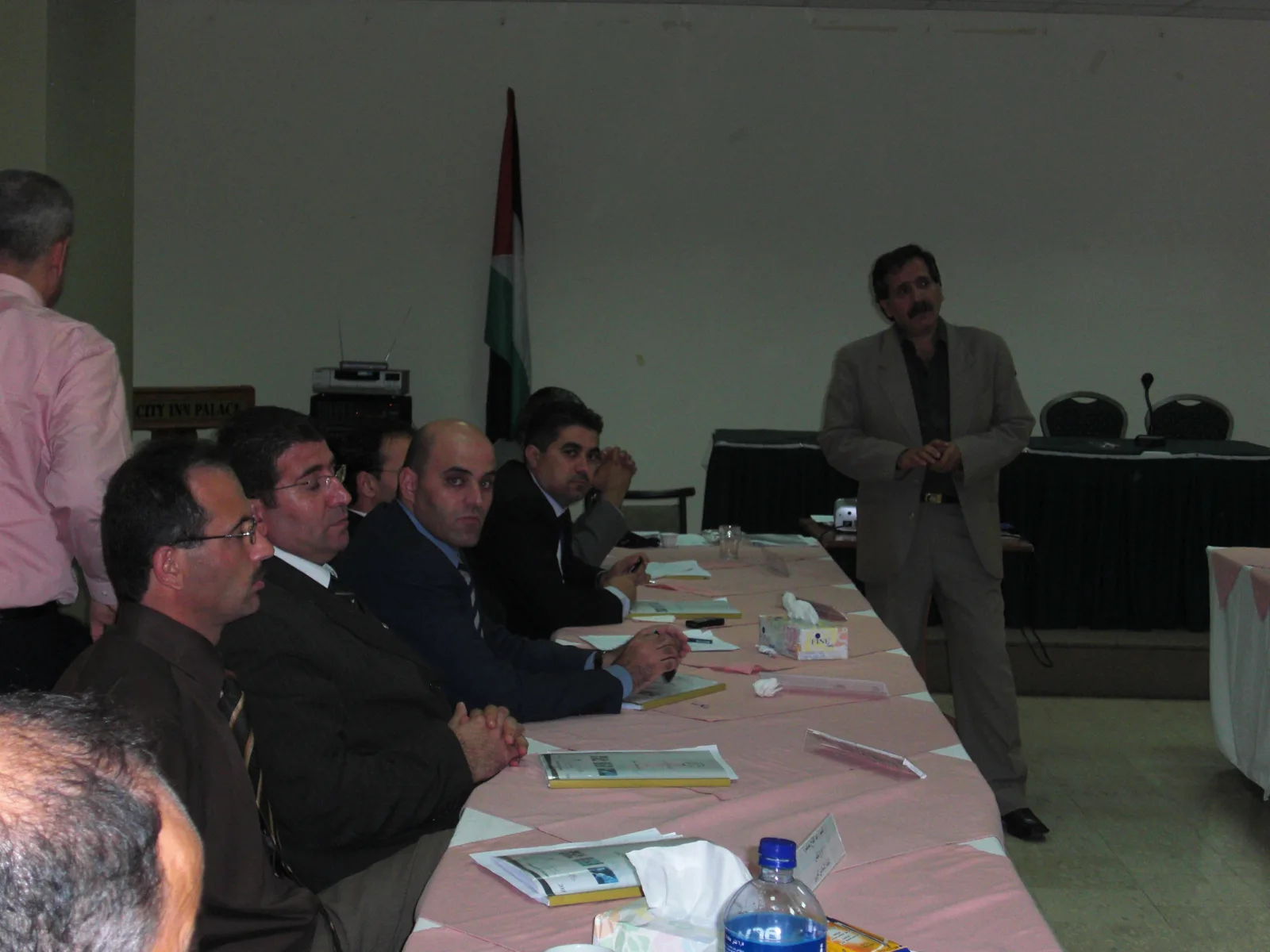
UNDP/PAPP carried out many programs to support the MoLG in reforming and development processes, and this project is part of the UNDP/PAPP Local Governance Support Program (LGSP) which aims to contribute to the development of a democratic, decentralized, transparent, and inclusive local governance system in the Palestine.UNDP/PAPP contracted GCT to implement this assignment which includes training program on project management, fundraising techniques and proposal writing. GCT designed and implemented the program to 11 participants (who are managers and top level employees in the Nablus Municipality, Hebron Municipality and Hebron Governorate Teams), for 4 training days / 32 training hours, with GCT professional expert training in project management and international donors who is the International Grant and Compliance Manger in Middle east, Asia and Africa. This assignment is aiming at developing the capacities of selected municipal staff to enable them to deliver better performance at both individual and institutional level and build a self-sustainable department of local economic development, through achieving the following:Provide participants with the knowledge and information pertaining to project management, project design and fundraising.Learning about the core aspects of project management Equip participants with the needed skills to identify a project idea which involves aspects of scientific research, data collection and analysis. Provide the necessary knowledge for participants to undertake a project design following internationally standards.Change participant’s attitudes and impressions towards project development and implementation Develop participants’ skills in using tools such as log frame, M&E plan, detailed activity schedule, and budget.

UNDP)/ United Nation Development Program (UNDP)/ Program of Assistance to the Palestinian People (PAPP)/ Local governance support program (LGSP). Local governance support program (LGSP).
West Bank -Ramallah
Capacity Development Training of Trainers (TOT) program for Ministry of Finance (MoF)
2011
Project

Capacity Development Training of Trainers (TOT) program for Ministry of Finance (MoF)

Accordingly UNDP has provided the department of Property Tax in MOF with field vehicles ,computers, capacity development, softwares and with qualified staff in order to conduct an assessment of property values across West Bank , comprehensive assessment of property tax operations to identify and provide the required widespread improvements by providing policy recommendations concerning the revision of property tax law as well as harmonization the approach in Gaza Strip and West Bank.This program aimed at developing the capacities of selected property tax staff at MoF. The training planned to enable them to deliver ToT to their colleagues in the property tax district offices and headquarters departments, and to develop the capacities of the property tax staff at 133 municipalities. Training will focused on property tax operation and activities during the project cycle and how to mainstream these skills and services to the rest of local governments (350) in order to pave the road for the LGUs to enable the collection of property tax in village councils and to increase the degree of decentralization, once it is allowed, in new legal frame to be revised and developed.The main objectives of this capacity development program were to develop and deliver Training of Trainers (ToT ) program to 20 MoF staff on property tax valuation, design and implementation of public awareness campaigns ,communications with public and community liaison and property tax law, procedures ,operations communication skills (internal /external) to be able to train further MoF staff and selected participants from 133 municipalities .

Funded by UNDP; for the benefit of Ministry of Finance (MoF).
West Bank -Ramallah
Technical and Vocational Education and Training (TVET) Program
2010
Project

Technical and Vocational Education and Training (TVET) Program

The Palestinian Authority Capacity Enhancement project is a three-year, $20 million project funded by United States Agency for International Development (USAID). It was aimed to improve the living standards of Palestinian people by strengthening Palestinian National Authority ministries and other public sector institutions . It has two main tracks: a short-term focus on the delivery of improved services and a medium-term focus on capacity enhancement of government institutions. The overall objective is to contribute to improved quality and relevancy of TVET education of partner institutions, through development of strategic directions and strategic relationships, and cooperation with the private sector; and specifically, will contribute to:Improve and strategize the responsiveness of TVET partner institutions to the current and future needs of the private sector work force, focusing on sectors with great opportunities for employment and job creation.Formalize strategic relations between TVET institutions and the private sector.Improve TVET delivery models and standardization, in partnership with the private sector and stakeholders.Build the capacity of partner institutions to become more responsive to the needs of the private sector.

Funded by USAID, Contract 294-A-00-07-00210-00; for the benefit of Save the Children Federation, Inc.
West bank South (Bethlehem, Hebron, and etc.) West Bank Middle (Ramallah, Jericho and etc.)
Teacher Education Improvement Project (TEIP)/ Upgrading Academic and Professional Teaching Qualification of Under – Qualified Class Teachers for Grades 1-4.
2010
Project

Teacher Education Improvement Project (TEIP)/ Upgrading Academic and Professional Teaching Qualification of Under – Qualified Class Teachers for Grades 1-4.

Teacher Education Improvement Project (TEIP) is a three years project funded by World Bank. The main objective of this project was to improve the competencies and skills of class teachers (who teaching grades one to four) in the West Bank and Gaza schools, and in doing so contribute enhancing learning student in primary schools. In other words, it aimed at preparing the under-qualified; grade 1-4 class teachers to upgrade their academic qualifications to degree level and to gain a professional teaching qualification, thereby meeting the standards of teacher certification. and this to be achieved through the following sub- objectives:Support and implementation of the preparation of templates for upgrading, grade 1-4, class teachers.Design and implementation of Readiness-to-Teach Index of competencies for experienced, grade 1-4, class teachers. Identify the selection criteria of around 2,500 under-qualified teachers in the targeted schools to be in the pilot phase.Provide a list of available teaching aids and classroom equipment considered necessary for the satisfactory implementation of the new Palestinian curriculum.Develop and implementation of upgrading programs for Teacher Education Institutions (TEIs). Design and implementation of a monitoring and evaluation system for measuring the effectiveness of the programs. Preparation of a final report with a comprehensive set of recommendation and implementation advices .TEIP was consisted of three main components which were as the following:Strengthening school-based practice of pre-service teacher education programs to support the establishment of a system of context-based practical experiences in schools which will become a central part of the teacher education program.Upgrading academic and professional teaching qualification of under-qualified class teachers to upgrade teaching skills and competencies of under-qualified teachers in grades 1-4.Project management and implementation to support the Ministry of Education and Higher Education (MOEHE).For the purpose of undertaking these components toward achieving the main objectives, ABU has contracted GCT to provide local support and logistics services during the life time of the project.

Funded by World Bank; ABU Consult Berlin GmbH, for the benefit of Ministry of Education \& Higher Education (MoEHE).
West Bank- Ramallah
Assessment Study of the Reality of Information Technology in the Ministry of Social Affairs in the Palestinian Authority UNDER the project of “Technical assistance in development and implementation of Social Protection Systems at Ministry of Social Affairs.”
2011
Project

Assessment Study of the Reality of Information Technology in the Ministry of Social Affairs in the Palestinian Authority UNDER the project of “Technical assistance in development and implementation of Social Protection Systems at Ministry of Social Affairs.”

MOSA is the regulatory body and implementing agency responsible for the Social Protection System in oPt, with its branches in 17 Governorates in the West Bank and Gaza Strip. Its responsibility is twofold: 1) to develop, populate and manage a centralized database of "poor households in Palestine" and 2) to develop, manage and implement a single, poverty-based cash transfer program that caters to the "poorest of the poor".“Technical assistance in development and implementation of Social Protection Systems at Ministry of Social Affairs“, is a two years EC funded project that commenced in March 2010 and ended in September 2012. The overall objectives of this project were to:Improve the Ministry of Social Affairs’ (MOSA) capacity to carry out its mandate regarding social; and Support the Ministry of Social Affairs (MOSA) in implementing its responsibilities, particularly regarding reform of social safety nets, and development and implementation of an integrated and comprehensive strategy and policy for a more effective social protection system covering all poor and vulnerable segments of the Palestinian population.Within the scope of the second objective, an assessment study was conducted for the current IT situation in the Ministry of Social Affairs (MoSA). More specifically, this assignment was dedicated to:Assess the current IT situation in the Ministry of Social Affairs (MOSA). It depicts a semi-comprehensive picture about the current situation in general and the IT current situation specifically;Expose the training needs assessment in the field of information technology for the ministry employees in the headquarter; andHighlight the general strengths, weaknesses, threats and opportunities for each directorate, unit in the ministry central, and two Directorates (Nablus and Yatta) and more specifically in terms of IT.

Funded by European Commission; for the benefit of Ministry of Social Affairs (MOSA).
West Bank
Develop a Strategy plan for the Information Technology Unit in the Ministry of Social Affairs in the Palestinian Authority UNDER the project of “Technical assistance in development and implementation of Social Protection Systems at Ministry of Social Affairs.”
2011
Project

Develop a Strategy plan for the Information Technology Unit in the Ministry of Social Affairs in the Palestinian Authority UNDER the project of “Technical assistance in development and implementation of Social Protection Systems at Ministry of Social Affairs.”

MOSA is the regulatory body and implementing agency responsible for the Social Protection System in oPt, with its branches in 17 Governorates in the West Bank and Gaza Strip. Its responsibility is twofold: 1) to develop, populate and manage a centralized database of "poor households in Palestine" and 2) to develop, manage and implement a single, poverty-based cash transfer program that caters to the "poorest of the poor".“Technical assistance in development and implementation of Social Protection Systems at Ministry of Social Affairs “, is a two years EC funded project that commenced in March 2010 and ended in September 2012. The overall objectives of this project were to:Improve the Ministry of Social Affairs’ (MOSA) capacity to carry out its mandate regarding social; and Support the Ministry of Social Affairs (MOSA) in implementing its responsibilities, particularly regarding reform of social safety nets, and development and implementation of an integrated and comprehensive strategy and policy for a more effective social protection system covering all poor and vulnerable segments of the Palestinian population.Within the framework of this project, a Comprehensive Information Technology Strategy and medium- term action plan was developed, for further development of IT and MIS functions at the Ministry of Social Affairs. This assignment aimed at developing the Information Technology Strategy report; that includedPortrait of the current situation of the database and the future perspectives to enhance its performance and security. Discussion on the CTP system testing, motoring and reporting to ensure that the system is working securely and generate the essential reports needed to monitor the system. Capacity building in information technology for the IT department staff and the MOSA Staff in general and what are the needed training courses to enhance the staff performance and improve their productivity and work quality. Action plan to execute the strategy and achieve its objectives.

Funded by European Commission; for the benefit of Ministry of Social Affairs (MOSA).
West Bank
Review of legislations for Ministry of Social Affairs UNDER the project of “Technical assistance in development and implementation of Social Protection Systems at Ministry of Social Affairs.”
2011
Project

Review of legislations for Ministry of Social Affairs UNDER the project of “Technical assistance in development and implementation of Social Protection Systems at Ministry of Social Affairs.”

MOSA is the regulatory body and implementing agency responsible for the Social Protection System in oPt, with its branches in 17 Governorates in the West Bank and Gaza Strip. Its responsibility is twofold: 1) to develop, populate and manage a centralized database of "poor households in Palestine" and 2) to develop, manage and implement a single, poverty-based cash transfer program that caters to the "poorest of the poor".“Technical assistance in development and implementation of Social Protection Systems at Ministry of Social Affairs “, is a two years EC funded project that commenced in March 2010 and ended in September 2012. The overall objectives of this project were to:Improve the Ministry of Social Affairs’ (MOSA) capacity to carry out its mandate regarding social; and Support the Ministry of Social Affairs (MOSA) in implementing its responsibilities, particularly regarding reform of social safety nets, and development and implementation of an integrated and comprehensive strategy and policy for a more effective social protection system covering all poor and vulnerable segments of the Palestinian population.Within the scope of the second objective, review and assessment of the current legal social legislations was conducted besides; a long-term strategy was disgned for this legislation development, in order to provide supportive and appropriate legal environment in MOSA for the social protection system reform process.The main objective of this assignment were to :Conduct a comprehensive review of the existing social legislations in Palestine.Design a development plan for social legislations.Set the priorities concerning the activities and areas of legislations referred to in the development plan, and prepare the draft legal documents in the selected areas of priority. Provide training to the experts in the legal affairs department at MOSA.

Funded by European Commission; for the benefit of Ministry of Social Affairs (MOSA).
West Bank
Capacity building - Training in strategic planning and social administration for key staff of the Ministry of Social Affairs (MoSA) UNDER the project of “Technical assistance in development and implementation of Social Protection Systems at Ministry of Social Affairs.”
2012
Project

Capacity building - Training in strategic planning and social administration for key staff of the Ministry of Social Affairs (MoSA) UNDER the project of “Technical assistance in development and implementation of Social Protection Systems at Ministry of Social Affairs.”

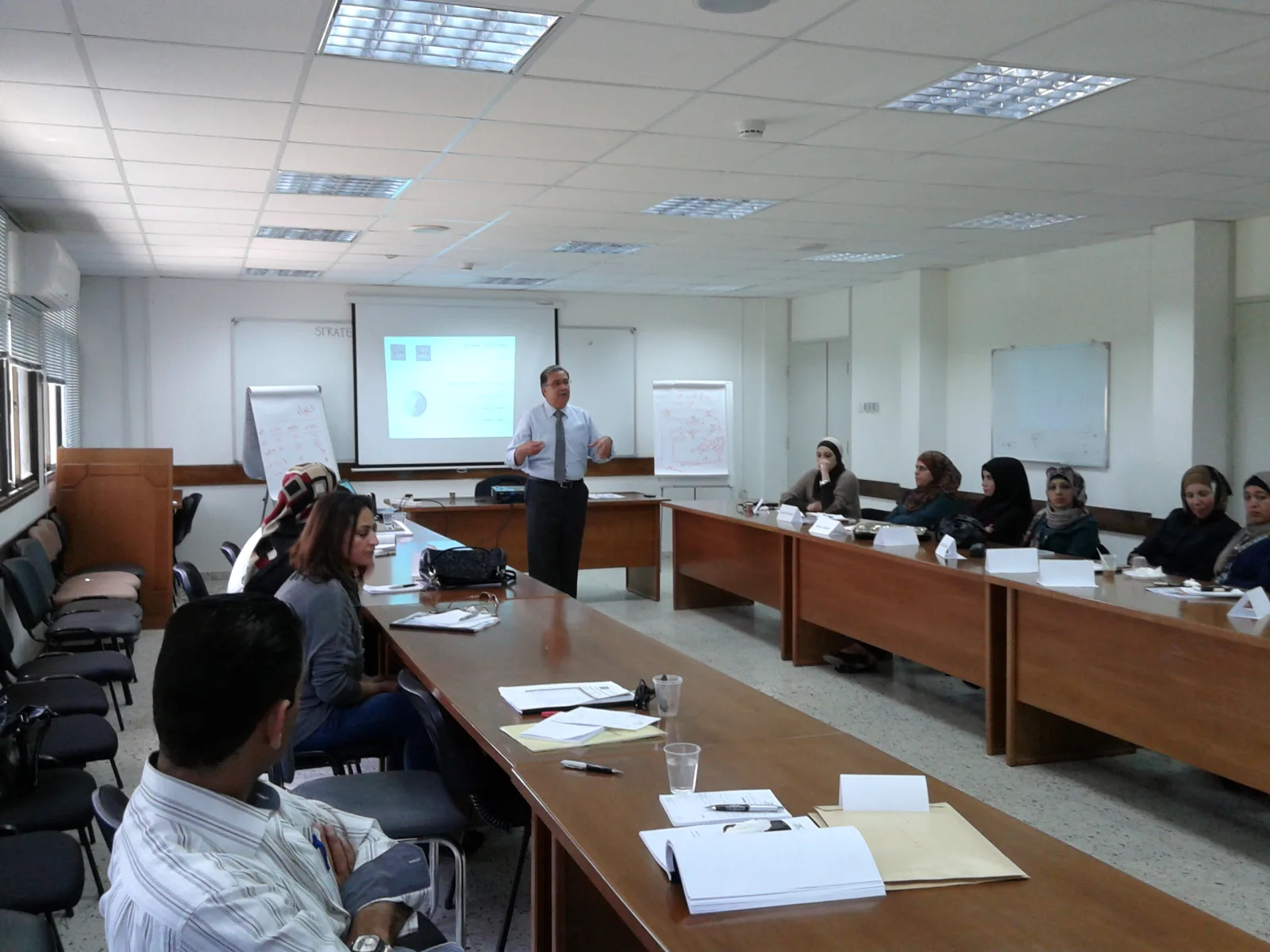
MOSA is the regulatory body and implementing agency responsible for the Social Protection System in oPt, with its branches in 17 Governorates in the West Bank and Gaza Strip. Its responsibility is twofold: 1) to develop, populate and manage a centralized database of "poor households in Palestine" and 2) to develop, manage and implement a single, poverty-based cash transfer program that caters to the "poorest of the poor".“Technical assistance in development and implementation of Social Protection Systems at Ministry of Social Affairs “, is a two years EC funded project that commenced in March 2010 and ended in September 2012. The overall objectives of this project were to:Improve the Ministry of Social Affairs’ (MOSA) capacity to carry out its mandate regarding social; and Support the Ministry of Social Affairs (MOSA) in implementing its responsibilities, particularly regarding reform of social safety nets, and development and implementation of an integrated and comprehensive strategy and policy for a more effective social protection system covering all poor and vulnerable segments of the Palestinian population.Within the frame work of this project, a large training programme in strategic planning and social administration was implemented for key staff of the Ministry of Social Affairs (MoSA) of Palestine. The training programme targeted three groups: Top-level administrative staff at the central ministry, Middle-level administrative staff at the central Ministry, and Key administrative staff of the MoSA regional directorates and special units.

Funded by European Commission; for the benefit of Ministry of Social Affairs (MOSA).
West Bank
Capacity building - Training in IT/data security and risk management for key IT staff of the Ministry of Social Affairs (MoSA) UNDER the project of “Technical assistance in development and implementation of Social Protection Systems at Ministry of Social Affairs.”
2012
Project

Capacity building - Training in IT/data security and risk management for key IT staff of the Ministry of Social Affairs (MoSA) UNDER the project of “Technical assistance in development and implementation of Social Protection Systems at Ministry of Social Affairs.”

MOSA is the regulatory body and implementing agency responsible for the Social Protection System in oPt, with its branches in 17 Governorates in the West Bank and Gaza Strip. Its responsibility is twofold: 1) to develop, populate and manage a centralized database of "poor households in Palestine" and 2) to develop, manage and implement a single, poverty-based cash transfer program that caters to the "poorest of the poor".“Technical assistance in development and implementation of Social Protection Systems at Ministry of Social Affairs “, is a two years EC funded project that commenced in March 2010 and ended in September 2012. The overall objectives of this project were to:Improve the Ministry of Social Affairs’ (MOSA) capacity to carry out its mandate regarding social; and Support the Ministry of Social Affairs (MOSA) in implementing its responsibilities, particularly regarding reform of social safety nets, and development and implementation of an integrated and comprehensive strategy and policy for a more effective social protection system covering all poor and vulnerable segments of the Palestinian population.Within the scope of this project, training program for key IT staff of MoSA was implemented, as an urgent priority that has been identified in the IT assessment and IT strategy for MoSA produced by the project.

Funded by European Commission; for the benefit of Ministry of Social Affairs (MOSA).
West Bank
Consulting Inquiries

Need Expert Consulting Services?

Partner with GCT for high-impact advisory and project delivery across Palestine and the region.

Live Support & Inquiries

GCT Advisory Team