Our Projects | GCT Consulting & Training

Explore GCT's portfolio of 900+ consulting projects across Palestine and the Arab region, spanning governance, M&E, agriculture, justice, social development, economic development, water, and education.

900+

Delivered Projects

27+

Years of Experience

400+

Key Clients & Donors

8

Specialized Sectors

Our Project Portfolio

Explore our portfolio of projects delivered across multiple sectors with local and international partners.

Our Project Portfolio

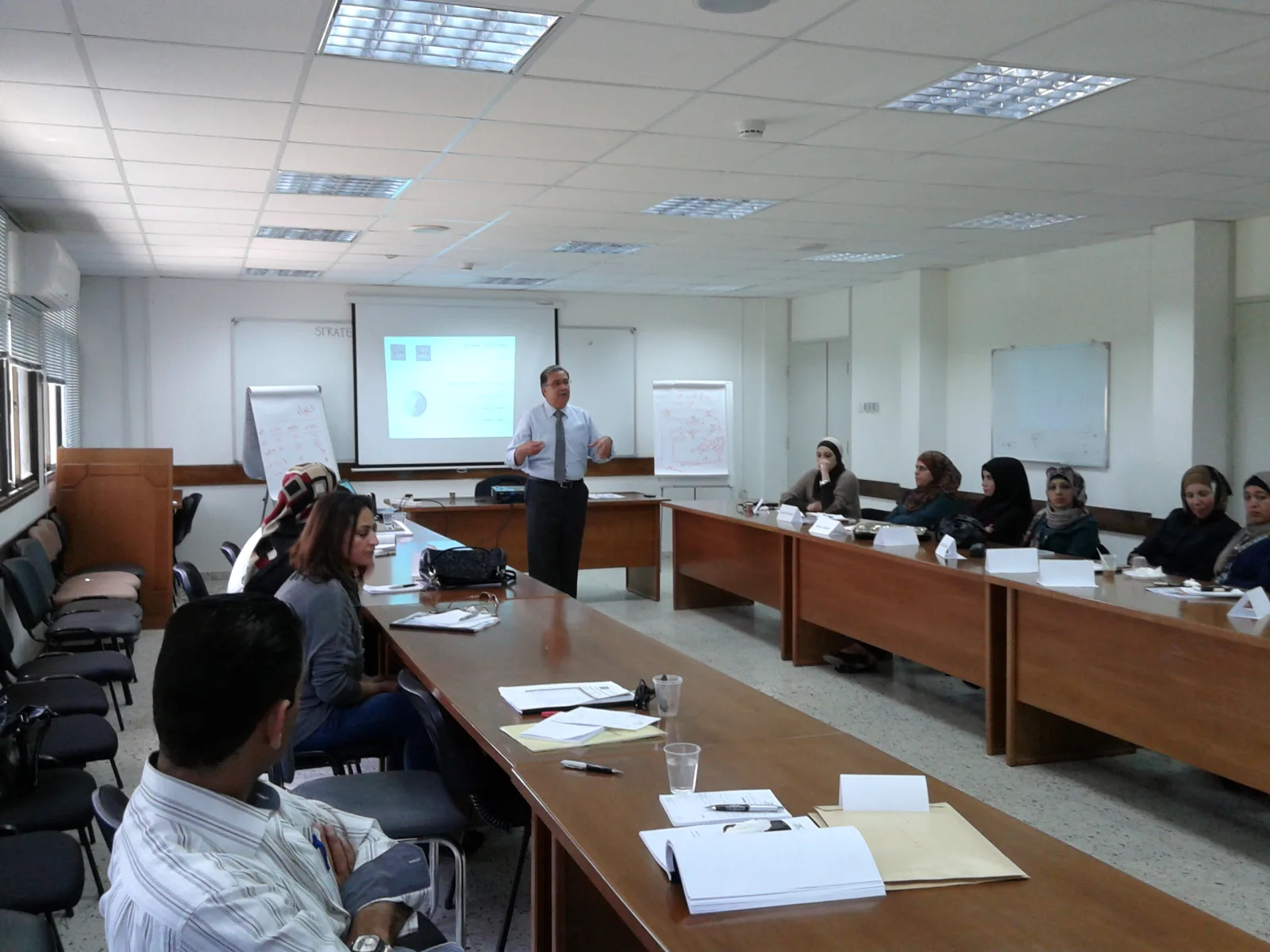
Design and implementation of capacity development program for municipalities’ staff in Project Management, M\&E system.
2011
Project

Design and implementation of capacity development program for municipalities’ staff in Project Management, M\&E system.

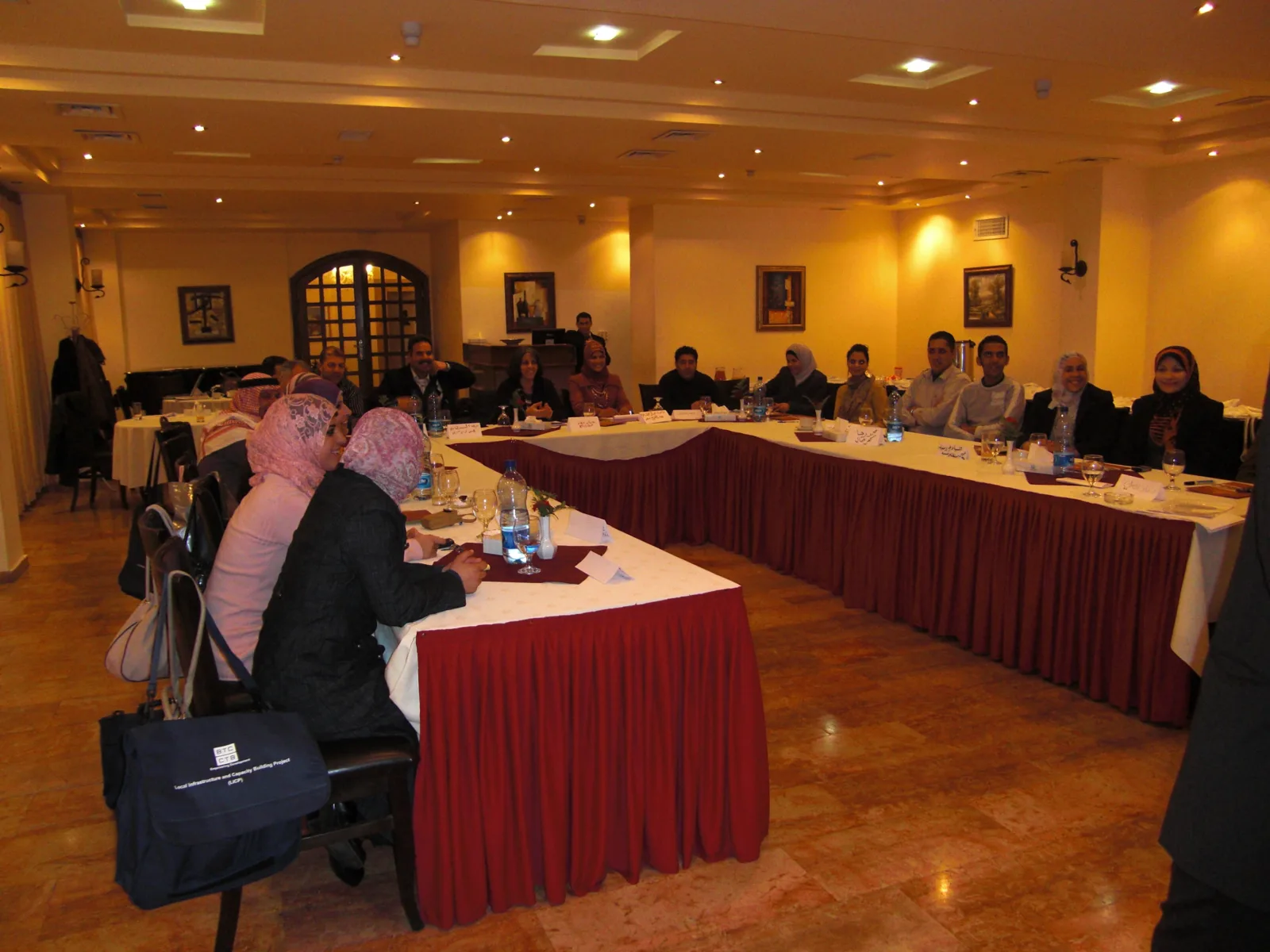
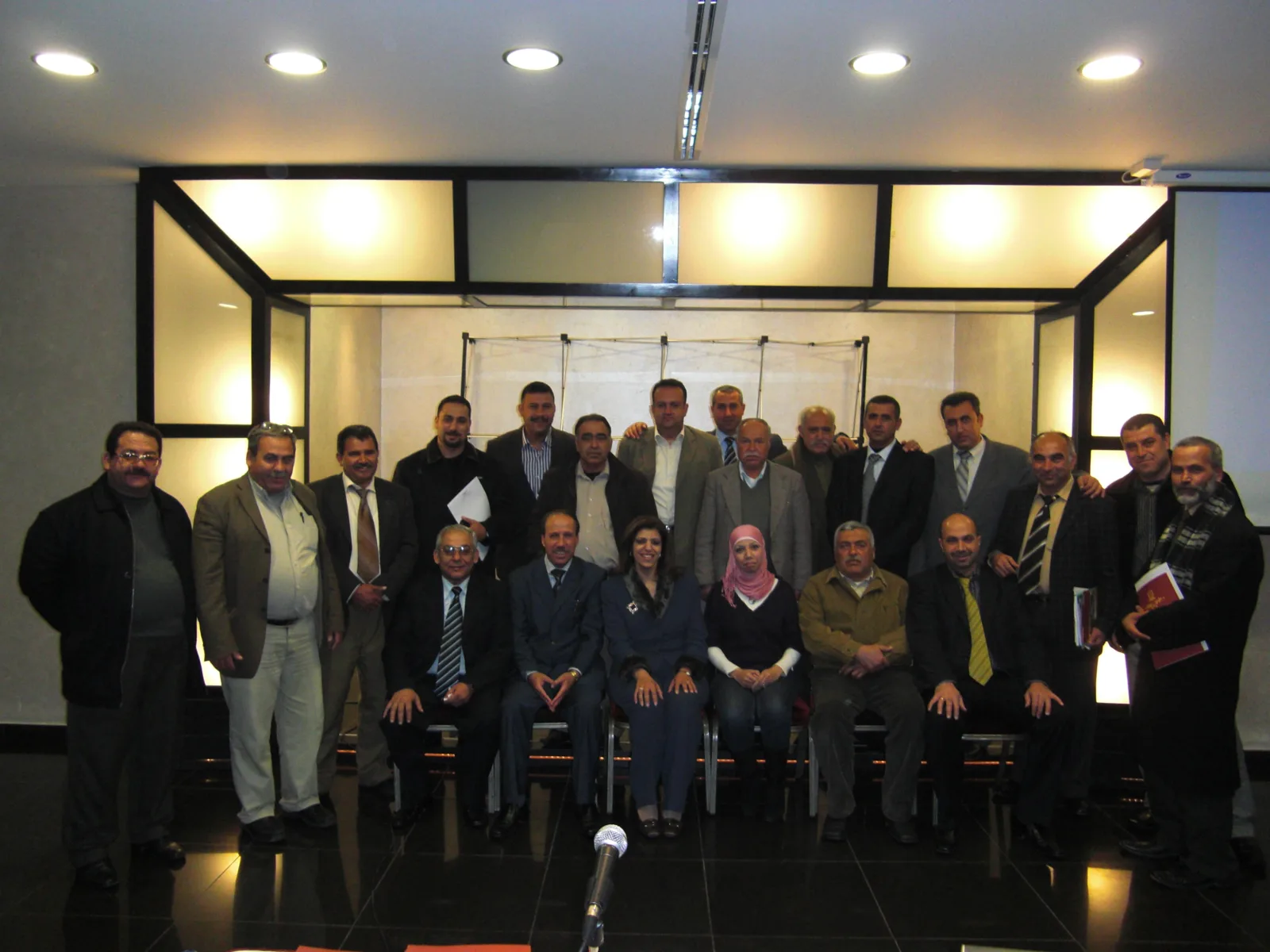
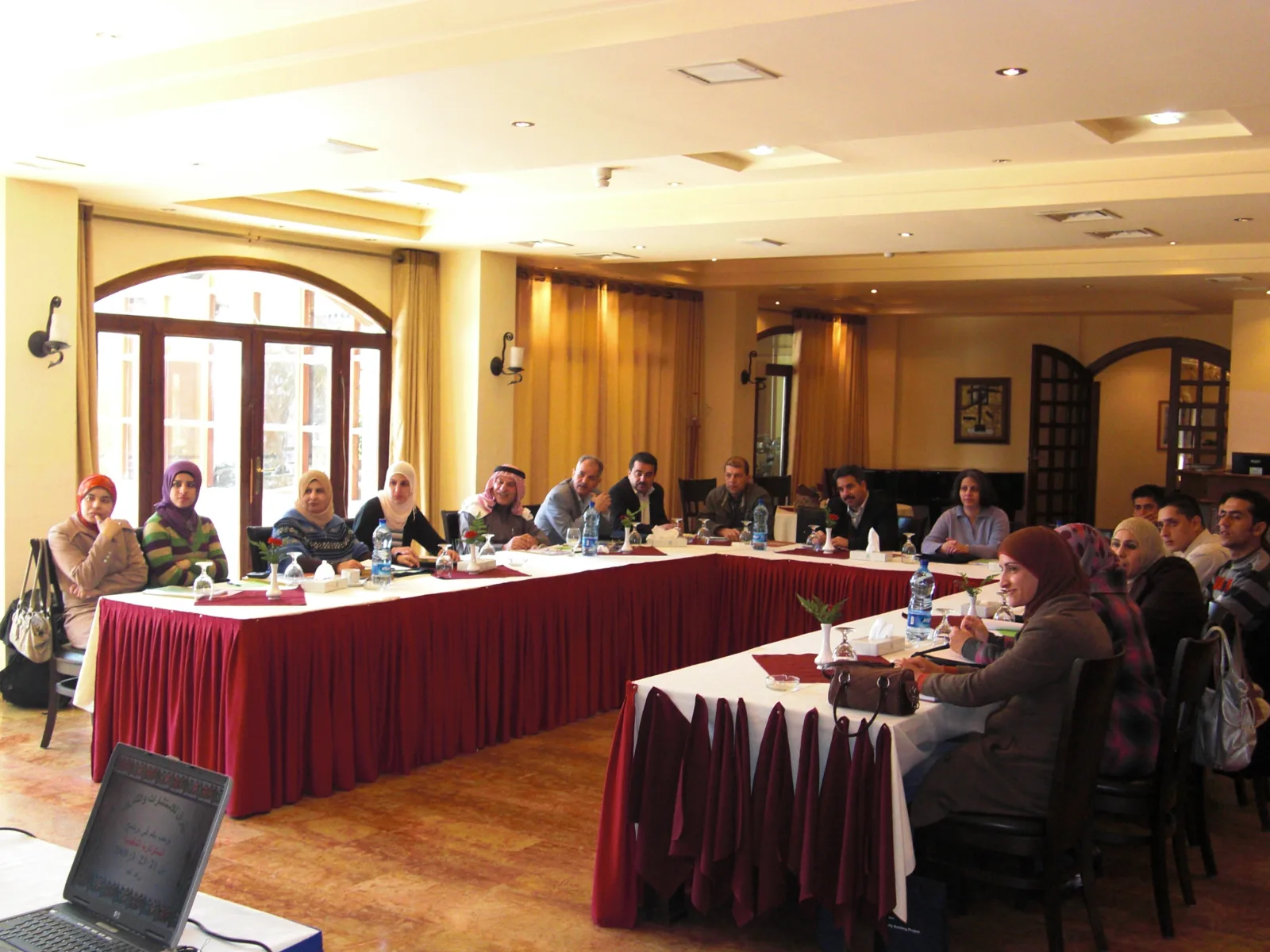
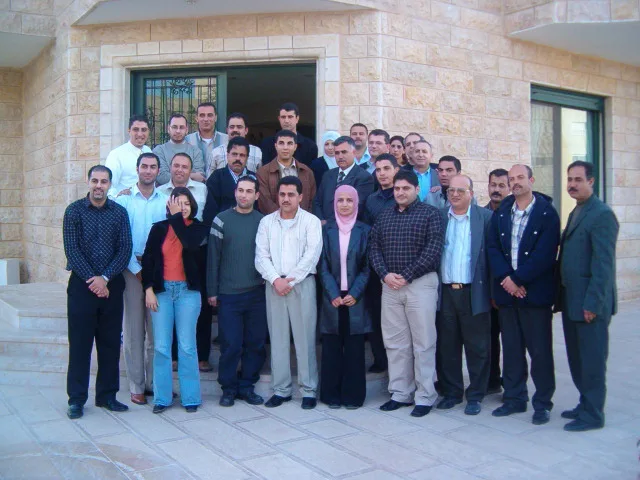
UNDP/PAPP carried out many programs to support the MoLG in reforming and development processes, and this project is part of the UNDP/PAPP Local Governance Support Program (LGSP) which aims to contribute to the development of a democratic, decentralized, transparent, and inclusive local governance system in the Palestine.UNDP/PAPP contracted GCT to implement this assignment which includes training program on project management, fundraising techniques and proposal writing. GCT designed and implemented the program to 11 participants (who are managers and top level employees in the Nablus Municipality, Hebron Municipality and Hebron Governorate Teams), for 4 training days / 32 training hours, with GCT professional expert training in project management and international donors who is the International Grant and Compliance Manger in Middle east, Asia and Africa. This assignment is aiming at developing the capacities of selected municipal staff to enable them to deliver better performance at both individual and institutional level and build a self-sustainable department of local economic development, through achieving the following:Provide participants with the knowledge and information pertaining to project management, project design and fundraising.Learning about the core aspects of project management Equip participants with the needed skills to identify a project idea which involves aspects of scientific research, data collection and analysis. Provide the necessary knowledge for participants to undertake a project design following internationally standards.Change participant’s attitudes and impressions towards project development and implementation Develop participants’ skills in using tools such as log frame, M&E plan, detailed activity schedule, and budget.
UNDP)/ United Nation Development Program (UNDP)/ Program of Assistance to the Palestinian People (PAPP)/ Local governance support program (LGSP). Local governance support program (LGSP).
West Bank -Ramallah
Capacity Development Training of Trainers (TOT) program for Ministry of Finance (MoF)
2011
Project

Capacity Development Training of Trainers (TOT) program for Ministry of Finance (MoF)

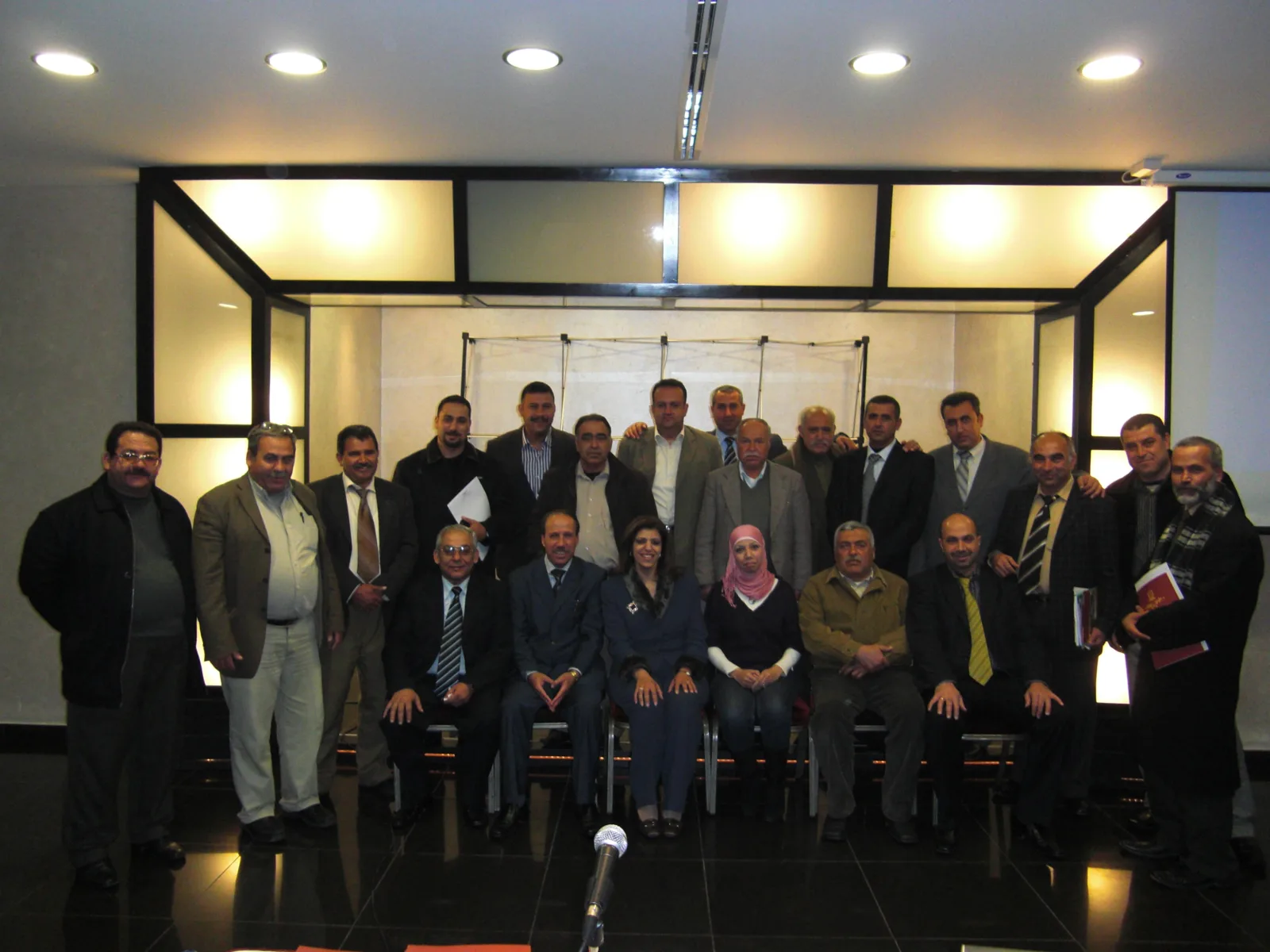
Accordingly UNDP has provided the department of Property Tax in MOF with field vehicles ,computers, capacity development, softwares and with qualified staff in order to conduct an assessment of property values across West Bank , comprehensive assessment of property tax operations to identify and provide the required widespread improvements by providing policy recommendations concerning the revision of property tax law as well as harmonization the approach in Gaza Strip and West Bank.This program aimed at developing the capacities of selected property tax staff at MoF. The training planned to enable them to deliver ToT to their colleagues in the property tax district offices and headquarters departments, and to develop the capacities of the property tax staff at 133 municipalities. Training will focused on property tax operation and activities during the project cycle and how to mainstream these skills and services to the rest of local governments (350) in order to pave the road for the LGUs to enable the collection of property tax in village councils and to increase the degree of decentralization, once it is allowed, in new legal frame to be revised and developed.The main objectives of this capacity development program were to develop and deliver Training of Trainers (ToT ) program to 20 MoF staff on property tax valuation, design and implementation of public awareness campaigns ,communications with public and community liaison and property tax law, procedures ,operations communication skills (internal /external) to be able to train further MoF staff and selected participants from 133 municipalities .

Funded by UNDP; for the benefit of Ministry of Finance (MoF).
West Bank -Ramallah
Market Gaps, Economic / Industry Cluster and Private Sector Linkages Project.
2010
Project

Market Gaps, Economic / Industry Cluster and Private Sector Linkages Project.

Save the Children and its partner Mercy Corps was implemented a 4-year USAID funded project in cooperation with Palestine League of Vocational Education and Training Association, to increase the utilization of strengthened technical and vocational education and training (TVET), leading to improved youth livelihood opportunities. The overall objective of this project was to contribute to improved quality and relevancy of TVET education of partner institutions, through development of strategic directions and relationships, and cooperation with the private sector.The project’s activities were focussed on the following main issues:Development of a more demand-driven training system within the League that is innovative and responsive to the needs of the League of non-governmental TVET institutions, private sector employers and youth.Identifying the skills and work habits that employers require for future employees and the growing and promising sectors in the region. Working with the league vocational schools to assist them to develop a more demand-driven system and training. Development of better programs that is more responsive to employers needs in targeted governorates. Development of partnerships with companies who will contribute to the success of training schools and graduates hiring.

Funded By USAI; Managed by Save the Children and Mercy Corps, for the benefit of Palestine League of Vocational Education and Training Association (VET-NGO League).
Southern of West bank (Bethlehem, Hebron). Middle of West Bank (Ramallah, Jericho).
Coaching workshops on how to use and apply the Assessment Tool Kit for Promoting Integrity, Transparency and Accountability in Palestinian Municipalities
2010
Project

Coaching workshops on how to use and apply the Assessment Tool Kit for Promoting Integrity, Transparency and Accountability in Palestinian Municipalities

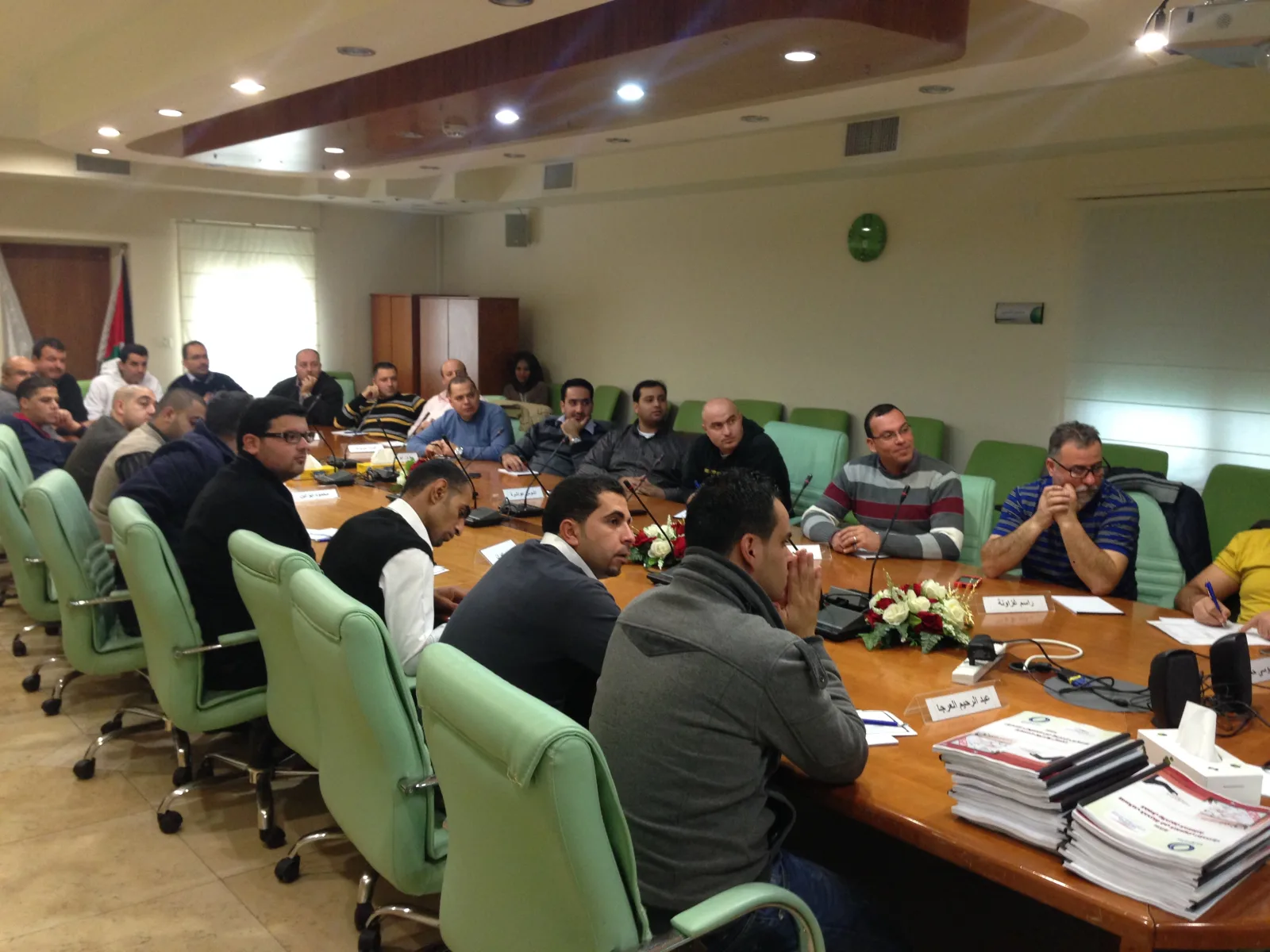
The project is part of the UNDP/PAPP local governance support program( LGSP 2010-2013 ) that aims to contribute to the development of a democratic , decentralized transparent , and inclusive local governance system in the oPT . In 2008, UNDP/PAPP in cooperation with MoLG, association of Palestinian; local authorities (APLA), and selected LGUs, developed a local governance integrity index, to assess municipalities performance.The objectives of this training are:The project objective is to train 20 MoLG staff as professional trainers on applying the Assessment Tool kit on 133 municipalities, therefore contributing to an enabling environment for promoting transparency and active community participation. This will also include installation training on the required SPSS software.The areas that will be analyzed are as follows:Administrative regulations and Human Recourses.Council (Chairman/mayor and members).Finance.Engineering and planning.Supplies and procurement.Community Participation.To this end, UNDP contracted GCT to implement this assignment in a professional manner to achieve the overall objectives.

Funded by UNDP; MoLG (Ministry of Local Government)
West Bank -Ramallah
Workshop for Administrative Board of Joint Service Council for the Wastewater Disposal in Tulkarm Region
2010
Project

Workshop for Administrative Board of Joint Service Council for the Wastewater Disposal in Tulkarm Region

The German Development Cooperation is contrbuting to the development of the palestinian water sector sinse 1980s. The GIZ is abbreviation for German term which is (Gesellschaft für Internationale Zusammenarbeit) mean in English society for international cooperation, as a federal enterprise it supports the German Government in achieving its objectives in the field of international cooperation for sustainable development. It offer demand-driven, tailor-made and effective services for sustainable development in more than 130 countries worldwide, through applying a holistic approach based on the values and principles upheld in German society, to facilitate change and empower people to take ownership of their own sustainable development processes. It works on behalf of the German Federal Ministry for Economic Cooperation and Development, and works for the German Federal Foreign Office in the security sector and for various other German ministries in the fields of culture and social affairs.The main objectives of this assigment were:Arrage for a training workshop about management and operation of joint service councils to be conduted in egypt for the adminstrative board and the top management staff of the JSC for the wastewater disposal in the Tulkarem regionUndertake the adminstrative and logistic arrangements for the training workshop.To this end, GIZ contracted GCT to implement this assignment in a professional manner to achieve the overall objectives.

GIZ / joint service council
Egypt/ West Bank
Capacity Building Workshops for New Elected Local Governments Staff
2007
Project

Capacity Building Workshops for New Elected Local Governments Staff

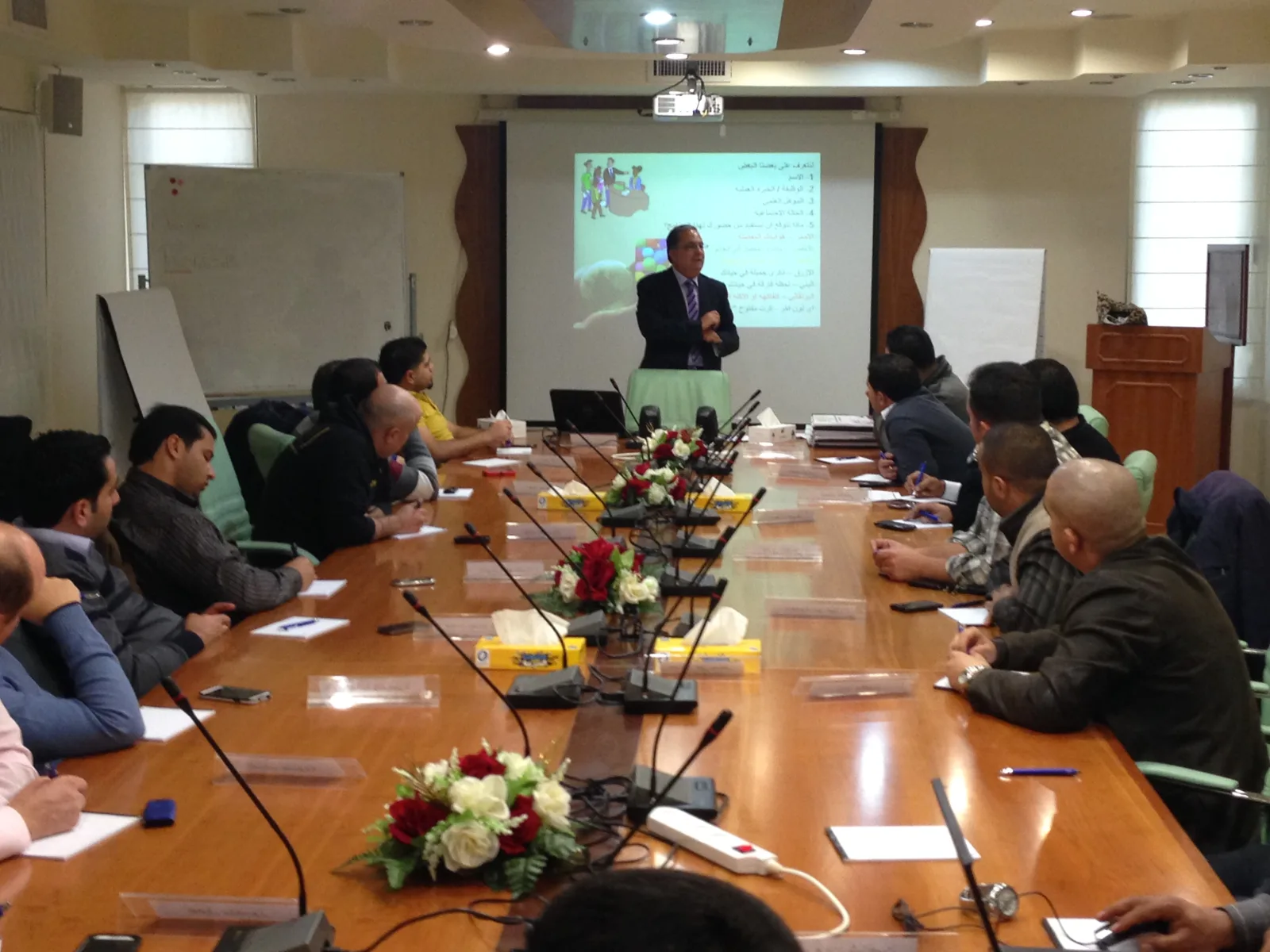
UNDP /PAPP within the frame work of Capacity Building of Elected Local Governments Project has contracted GCT to conduct TOT training workshops in Cairo –Egypt for ten participants from the Ministry of local Government ,UNDP and APLA , in order to improve their knowledge on training skills and techniques to become professional trainers to train Mayors and members of the new elected local government from Gaza Strip and West Bank in four major's fields: Legal, Financial, Administration and Engineering.The training workshops was designed to achieve the following objectives and help the participants to be able to: Understand how the components of a training program can enhance the training process. Apply the principles of adult and accelerated learning in training design, material development and the facilitation of training sessions.Clarify training needs and set objectives to meet training needs.Choose training methods appropriate to the training needs and consistent with adult and accelerated learning Principles.Design and conduct training to be effective with participants’ learning styles.Refine their program planning and presentation based on customized instructor and participant feedback.The workshops included practical training at the TEAM Institute of Training in Cairo, to exchange and learn the Arabic and Egyptian training model for public sector, and the local Government Staff.

Capacity Building of Elected Local Governments Project, UNDP/ PAPP.
Cairo
Final Evaluation of Local Rural Development Program (LRDP) In Jenin Area.
2005
Project

Final Evaluation of Local Rural Development Program (LRDP) In Jenin Area.

The Local Rural Development Program (LRDP) was launched in 1994 and jointly implemented by UNDP and Palestinian Ministry of Local Government (MoLG). It was aimed mainly to: Support the local authorities and MoLG to improve the supply of sustained infrastructure and services according to the identified priorities of the local population;Promote decentralization and institutional strengthening by addressing the lack of rural infrastructure and services in rural areas;Bridge urban – rural gaps, by providing resources, opportunities and the necessary technical support;Create a joint services council in Jenin district, promote/enhance its skills and capacities through a number of capacity building activities and income-generating joint projects; Implement development and infrastructure projects.After the end of program, The Representative of Ireland in cooperation with UNDP was planned to conduct a comprehensive evaluation in objective manner.The main objectives of this evaluation were to assess the relevance and appropriateness, efficiency, effectiveness, potential sustainability and impact of the Irish funded activities on the selected Cluster (Jenin District) in palestine, as well as to judge the merits and disadvantages of LRDP model relative to alternative options for local government system development. . For that purpose, UNDP has contracted GCT to implement the required assignment.

UNDP, Ireland Development Cooperation, Representative of Ireland to Palestinian Authority.
West Bank -Jenin
Feasibility Study for Slaughterhouse Project in South East Jerusalem Area.
2005
Project

Feasibility Study for Slaughterhouse Project in South East Jerusalem Area.

The Local Infrastructure and Capacity Building Project (LICP) is a project of Palestinian Ministry of Local Government (MOLG) , funded entirely by Belgian Government and implemented by Belgian Technical Cooperation (BTC). LICP was aimed mainly to support investment in physical infrastructure in rural areas at local level, strengthen thier financial management capacity, build the capacity of councils and its staff to plan, budget, and implement local development initiatives ,based on public participation and good local government principles.Within this context and line with these stated objectives, BTC was planned to conduct feasibility study for establishing a slaughterhouse in the south east of Jerusalem area , particularly (Abu Deis, Al –Eizarieh, Assawahra Assharkieh, Ashaikh Saeed, Arab Al Jahalin, and Azayem), in order to determine whether the proposed project is feasible from an administrative, economic, environmental, health, political, social viewpoints and other sustainability aspects, as well as to identify if it reflects the interests and priorities of communities involved. This feasability study was divided into two main phases: the first one was focused on studying the social and market feasibility of the slaughterhouse,while the second was focused on dealing with the technical and financial issues of slaughterhouse based on the first phase outcomes.To this end, BTC has contracted GCT to implement the required study in objective and effective manner.

Funded by Belgian Technical Cooperation (BTC)- Local Infrastructure and Capacity Building Project (LICP), for the benefit of Ministry of Local Government (MOLG).
West Bank- Jerusalem
Workshops on How to Build Financial \& Accounting System
2004
Project

Workshops on How to Build Financial \& Accounting System

The Palestinian Hydrology Group is a non-government non-profit organization striving to promote the role of women and civil societies in managing local water and its related environmental resources to ensure transparency, good water governance and just and equal provision of water and sanitation services to the rural and marginal communities in the West Bank and Gaza. PHG is seeking local and international networking and partnerships to participate actively in promoting the sustainability and just allocation of water resources at local, regional and global levels.Palestinian Hydro- Logy Group and Women’s Affairs Committee contracted to implement the above training program. The objective of this program is : Giving and improving the participant’s the management of financial and accounting skills that help them manage projects. Within this context and to ensure the continuation of providing these services in professional manner that meets the customers’ needs and expectations, The Palestinian Hydrology Group has contracted GCT to provide consultancy services in Palestine ( West bank- Ramallah, Hebron, Gaza ).

Palestinian Hydro- Logy Group (CSO’s) and Women’s Affairs Committee. Partnership Grant Program (PGPII).
West bank- Ramallah, Hebron, Gaza
Workshops on the topic of Strategic Planning
2004
Project

Workshops on the topic of Strategic Planning

The Palestinian Hydrology Group is a non-government non-profit organization striving to promote the role of women and civil societies in managing local water and its related environmental resources to ensure transparency, good water governance and just and equal provision of water and sanitation services to the rural and marginal communities in the West Bank and Gaza. PHG is seeking local and international networking and partnerships to participate actively in promoting the sustainability and just allocation of water resources at local, regional and global levels.Palestinian Hydro- Logy Group and Women’s Affairs Committee contracted GCT to implement the above training program. The objective of this program is: To Provide participants with information about the general concepts and detailed strategic planning as a function of the major functions of the administrative process and how to build a comprehensive strategic plan that will lead to the excellent performance of the company or organization.Within this context and to ensure the continuation of providing these services in professional manner that meets the customers’ needs and expectations, The Palestinian Hydrology Group has contracted GCT to provide consultancy services in Palestine.

Palestinian Hydro- Logy Group (CSO’s) and Women’s Affairs Committee. Partnership Grant Program (PGPII).
West bank- Ramallah
Final Evaluation of Village Services Program (VSP).
2004
Project

Final Evaluation of Village Services Program (VSP).

The village service program (VSP), is USAID-funded three-years project (2000-2003) implemented by Save the Children (SC). It was designed to increase community service activities that related to access the quality and sustainability in the basic services in education, agriculture, health, water and sanitation in order to improve the quality of life of children, youth, women and their families in the targeted communities in West Bank and Gaza Strip, toward empowerment of local communities. The overall goal of this project was divided into five strategic objectives in the following main areas:Education: Improve learning for targeted children; enhance their self-development and positive contribution to their family and community.Agriculture: Enhance economic opportunities and decrease the health risks in agricultural production.Health/Water & Sanitation: Increase access to key health related services including potable water and sanitation facilities, and improve health practices with a special focus on women, children and youth. Youth Development: Empower youth to make decisions and maintain positive social attitudes that will enhance their self-development and contributions to their communities, as well as to prepare them for healthy and productive adulthood.Community Empowerment: Enhance community participation in project management and local governance.After the end of program, the implemented and funded parties were planned to conduct a comprehensive final evaluation to VSP in objective manner. For that purpose, SC has contracted GCT to implement the required consylatncy service. The main of this evaluation was to was to help SC, Palestinian partner organizations, USAID and other stakeholders in evaluation the relevance, efficiency, effectiveness, potential sustainability and potential impact of VSP-funded infrastructure and empowerment program.

Funded by USAID; Save the Children- Palestine Mission.
West Bank and Gaza Strip
Final Evaluation of Community Rural Services Program (CRSP).
2003
Project

Final Evaluation of Community Rural Services Program (CRSP).

The community rural services program (CRSP) is a USAID funded –three years program (1999-2002) that aimed to address the basic service needs of under-served communities in the West Bank & Gaza Strip, and help them to gain sustained access to quality services as a mean for improving living conditions and ultimately to improve the quality of life for children, women, and families.The project was targeted 19 areas through different activities in health, education, agriculture, water and sanitation, and worked in a participatory approach within the community through coordination with local municipalities, village councils and local project committees, in order to promote legislation that enhances project sustainability with governmental ministries, including the Ministry of Education, Ministry of Health, Ministry of Local Government and the Ministry of Environmental Affairs. After the end of program, SC was planned to conduct a final evaluation study that aimed mainly to evaluate the all related aspects of CRSP including Education, Health, agriculture, Water and Sanitation, with special focus on evaluating the results achieved under each aspect in line with the stated sub- objectives as shown below:Education: Construction- rehabilitating and upgrading schools and kindergartens; construction of new classrooms; training teachers; providing teaching materials and equipment to schools; development and equipping playgrounds; improving sanitation facilities; and initiating of after school non-formal education and recreation activitiesHealth: Construction- rehabilitating clinics, providing training to primary and reproductive health care workers. Water and Sanitation: Conducting public health awareness campaigns; construction of rain water harvesting cisterns; construction and rehabilitating water networks; design and implementing an expanded solid waste management system.Agriculture: Providing extension services; conducting training and public awareness campaigns on safe use of pesticides and other agricultural products; construction of agricultural cisterns, and initiating of school garden demonstration program. For that purpose, Save the Children has contracted GCT to implement the required consultancy service by development a guide for popular achievement program.

Funded by USAID; Save the Children- Palestine Office.
West Bank and Gaza Strip
Consulting Inquiries

Need Expert Consulting Services?

Partner with GCT for high-impact advisory and project delivery across Palestine and the region.

Live Support & Inquiries

GCT Advisory Team