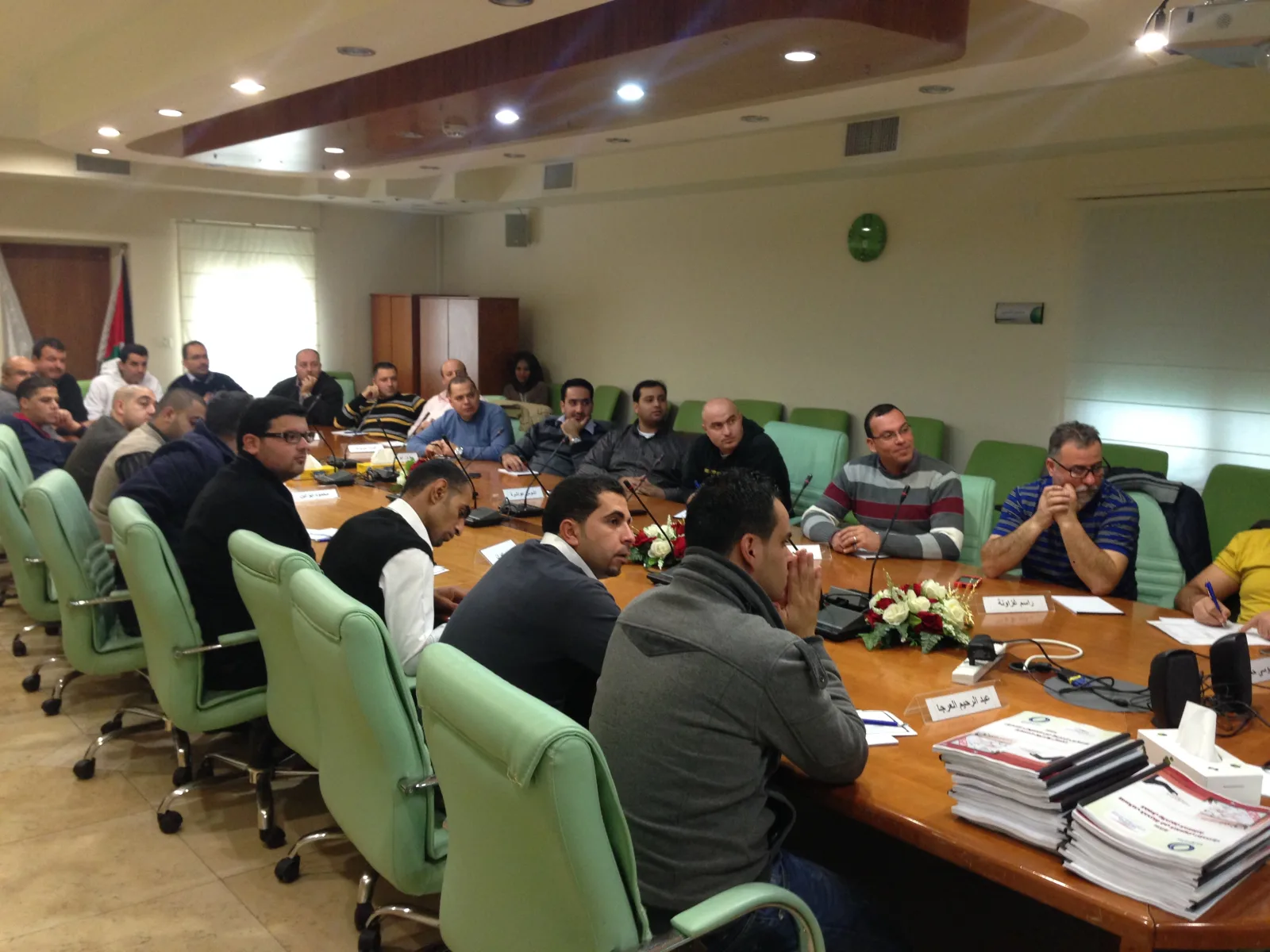
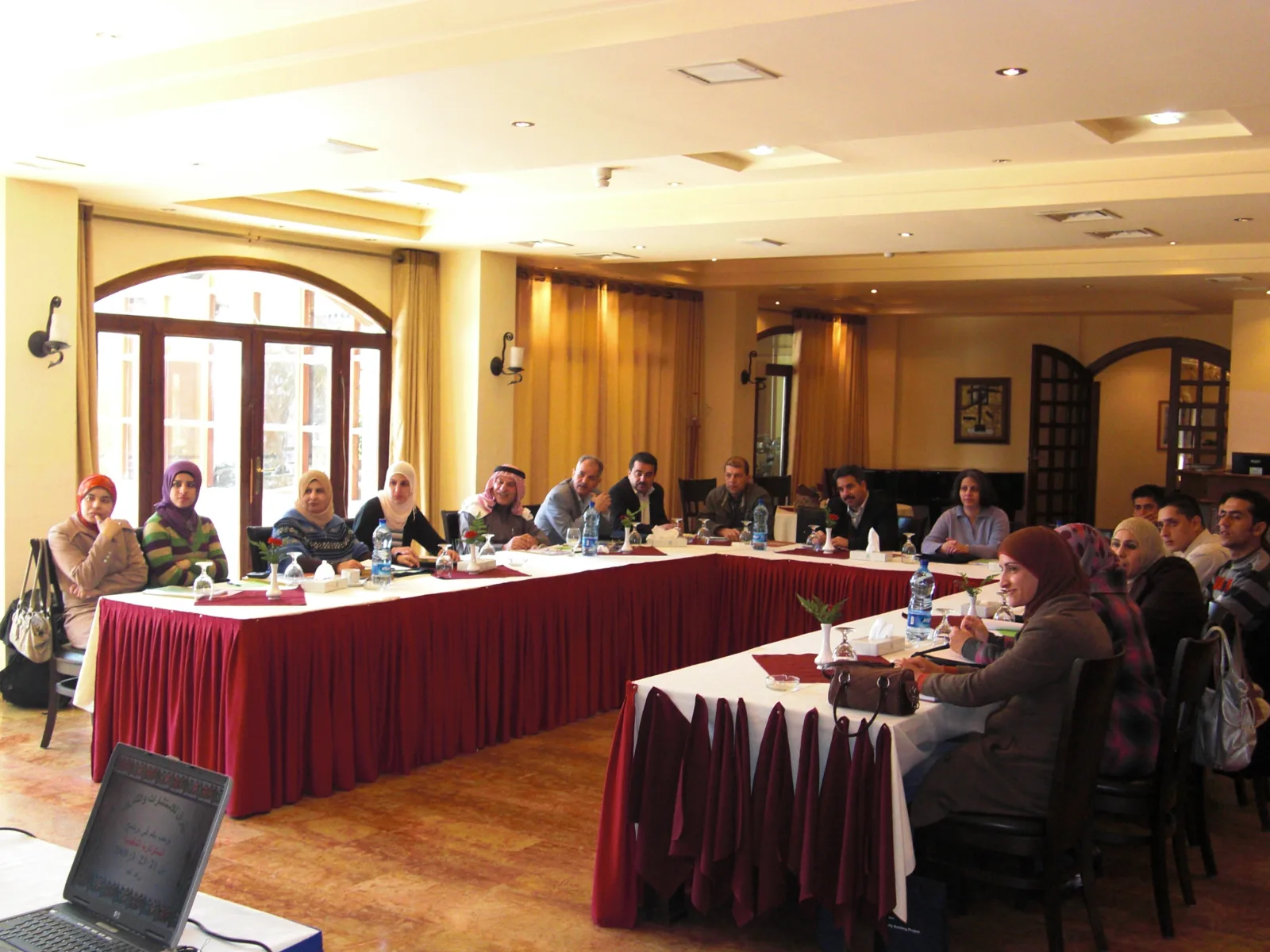
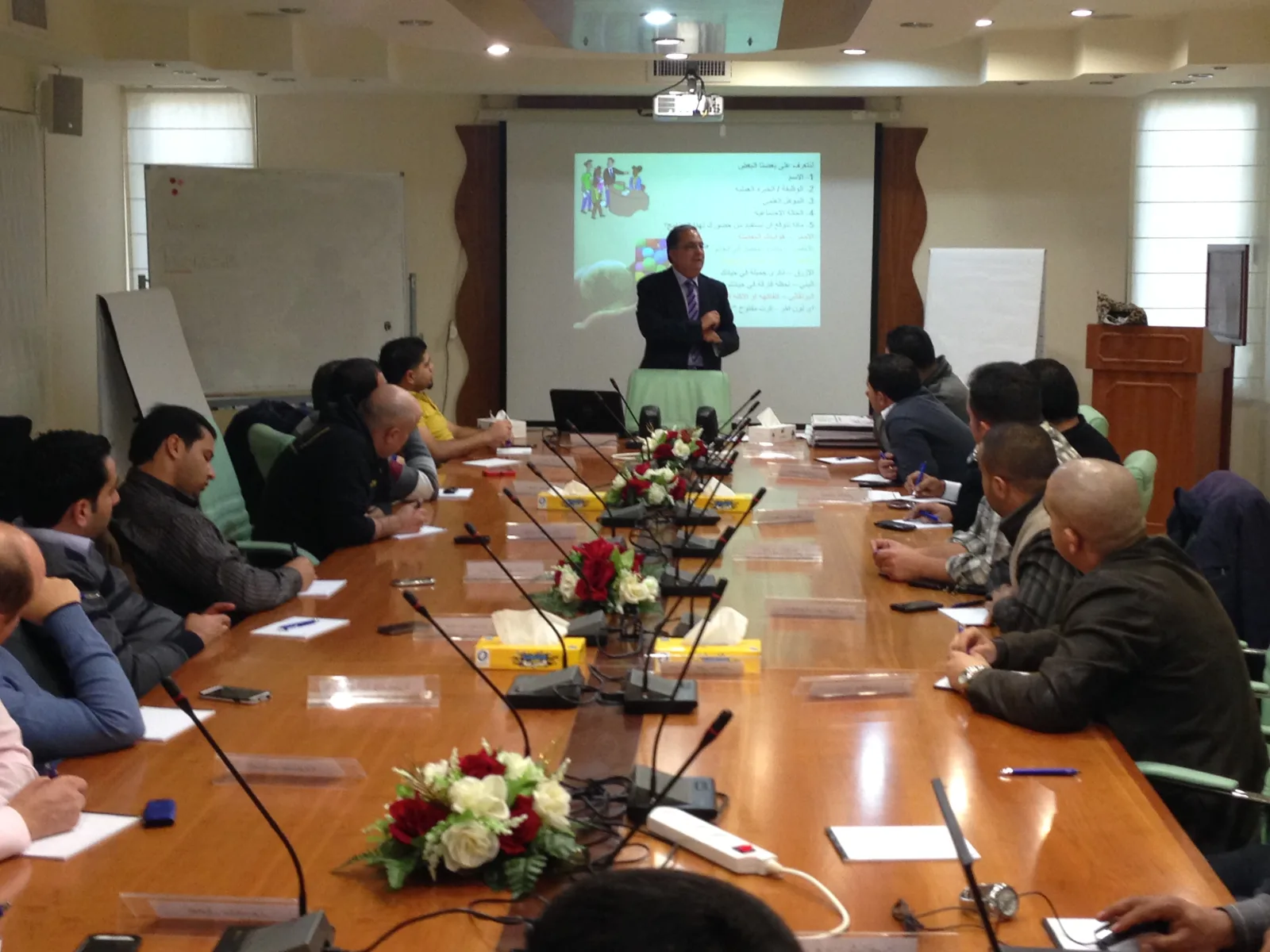
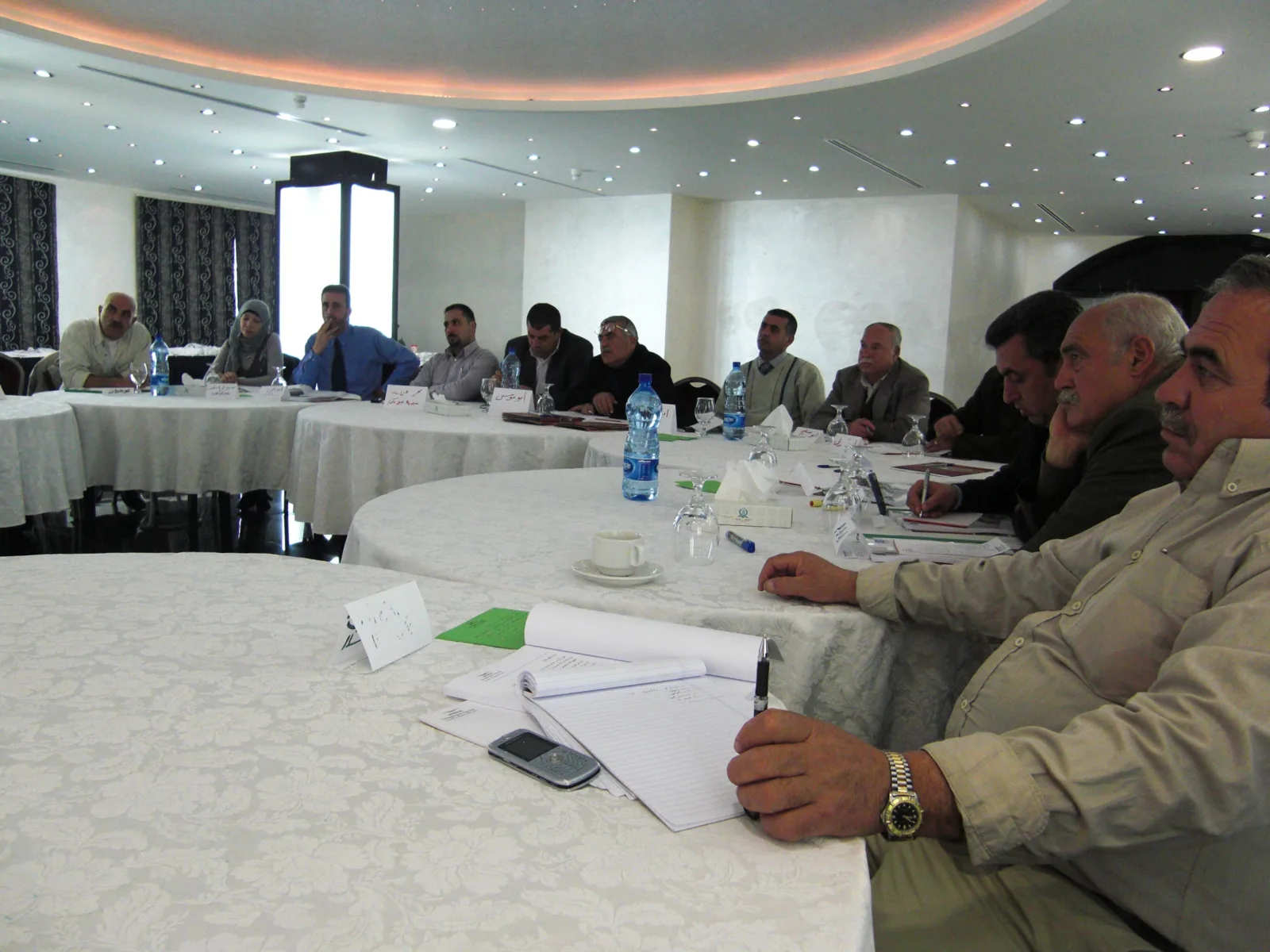
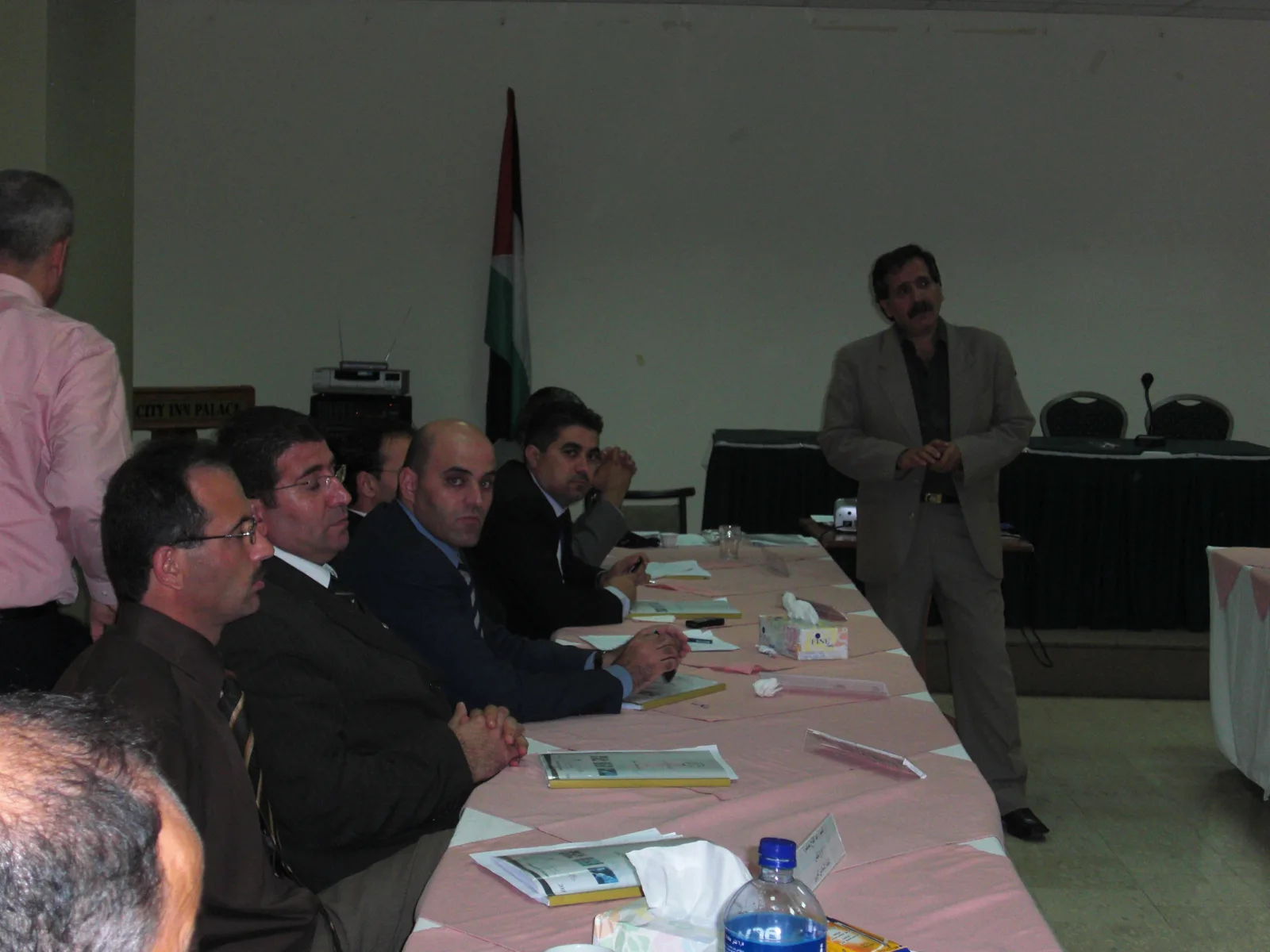
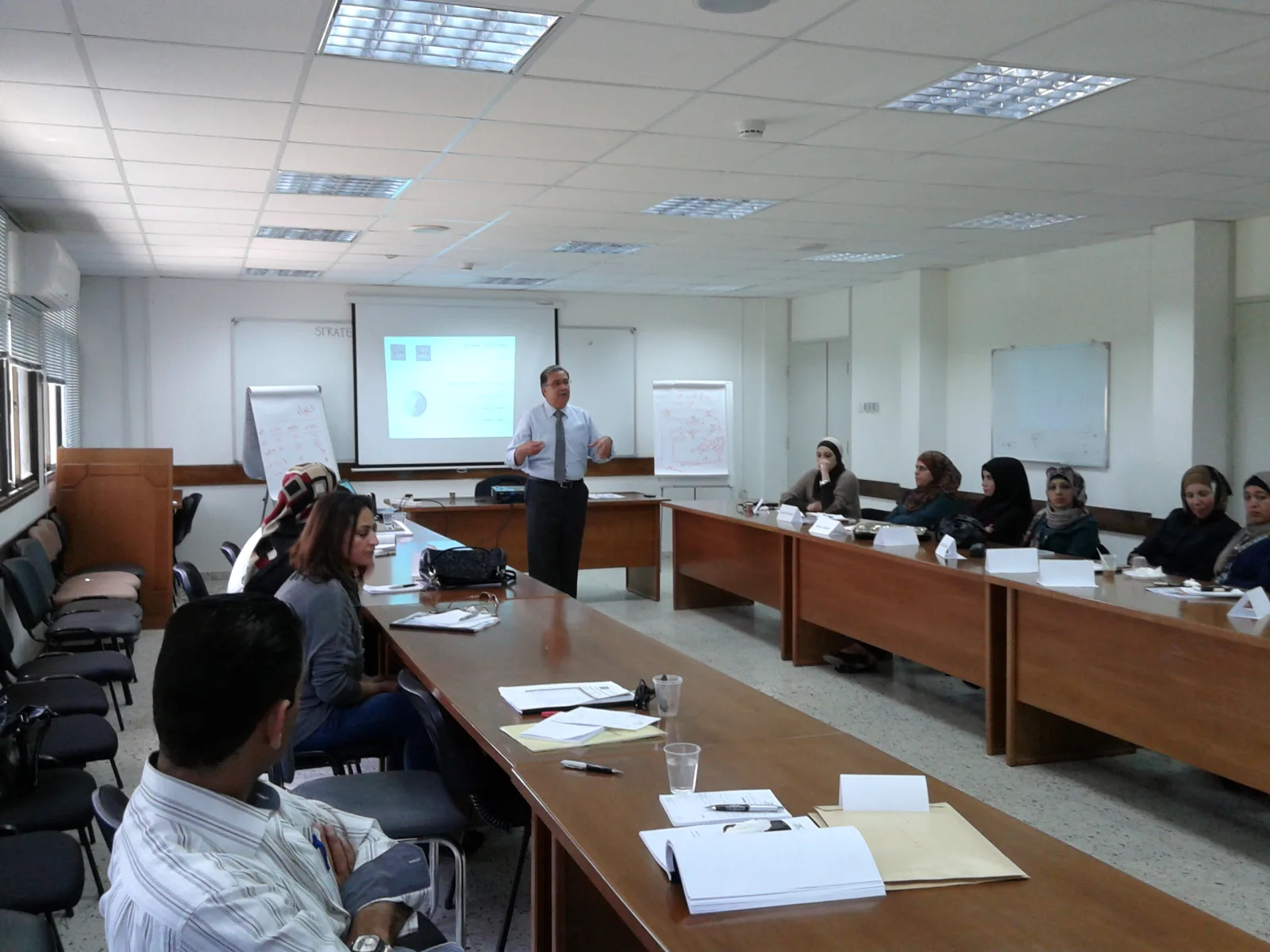
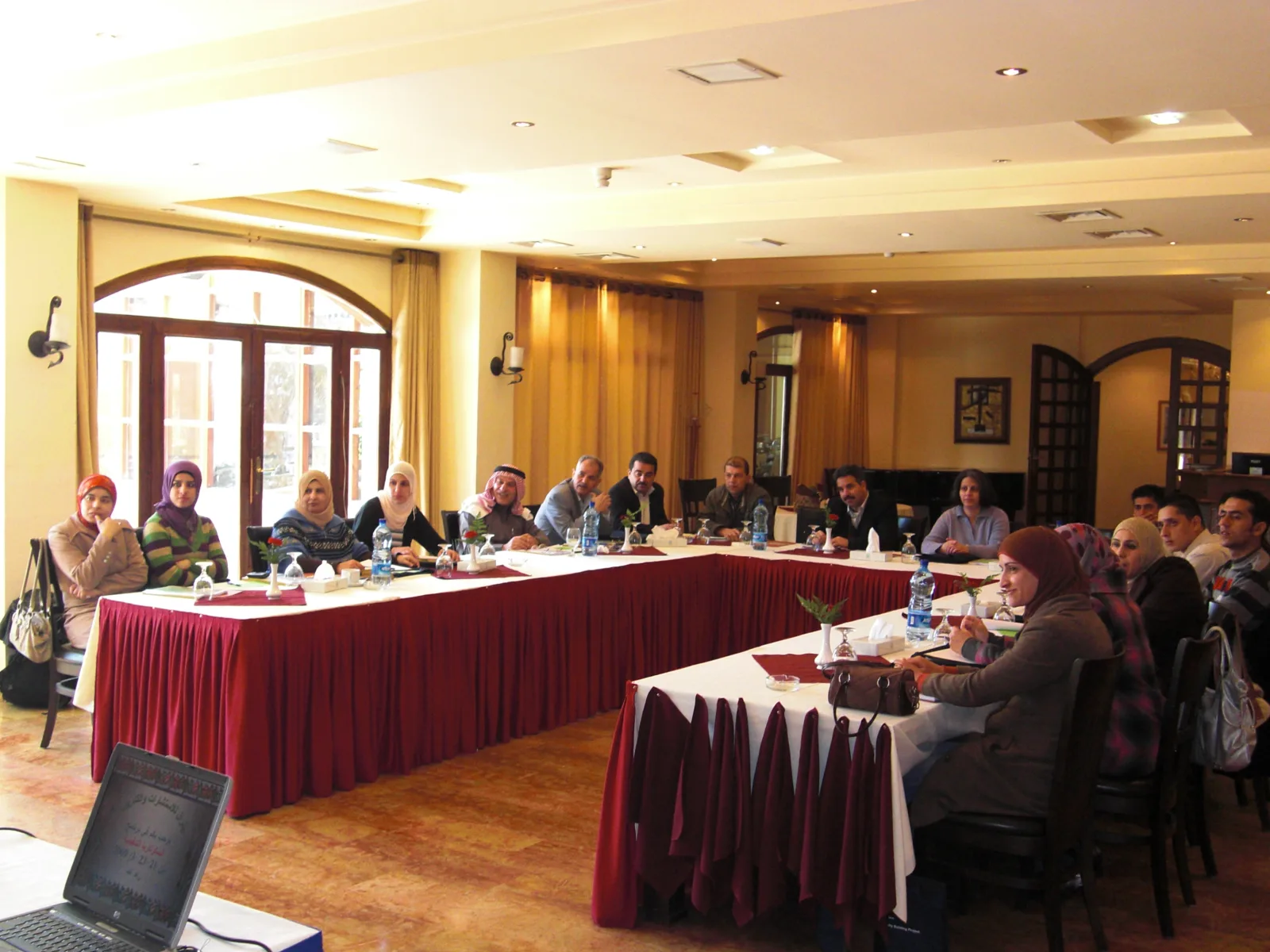
The Female Youth Empowerment Project is implemented by Save the Children (SC), The Palestinian Agricultural Relief Committee (PARC), and Maan Development Center (MAAN). The Project aims to address the root causes of gender-based discrimination and barriers for female youth’s economic advancement, through positively transforming discriminatory social norms, behaviors and systems to promote diversified higher-value entrepreneurship and enable female youth to succeed. The project’s ultimate goal is to enhance the economic empowerment and increase the prosperity for low-income female youth in the WB and across the whole of the GS.Within the framework of this project, Save the Children has contracted GCT to implement social norms exploration exercise for the project in order to identify, where appropriate, which social norms that drive targeted behaviors that hinder/support female youth economic empowerment in Jericho and Tubas, Nablus, and Jenin districts in the West Bank and across different directorates in Gaza. During the module planning phase, the findings of this exercise provided detailed recommendations for the design of interventions that will contribute to transforming harmful norms and promote positive norms, and developing measures and instruments that accurately evaluate change in social norms. As part of this planning phase, this social norms exploration exercise was conducted to achieve the following specific objectives: Identify the social norms and other factors that influence project-targeted behaviors in the different programme areas, and the relative weight of each on behaviors; Determine the most influential reference groups/gatekeepers of the identified norms; andInterpret and reflect on qualitative research results to provide recommendations on the design of the project’s normative interventions.To this end, Save the Children has contracted GCT to implement the Social Norms Exploration Exercise in the four project areas. Description of Actual Services Provided by GCT staff:Meetings with the project’s team to deepen and broaden the understanding of the project’s objectives and approach and the consultancy’s objectives.Review of project documents. Initial review of the Institute of Reproductive Health’s Social Norms Exploration Guide and Toolkit, with a focus on the two participatory exercises which will be used within this social norms’ exploration exercise. Induction on the Institute of Reproductive Health’s Social Norms Exploration Guide and Toolkit. Develop a work plan and inception report which details how the pre-selected social norms exploration exercises will be adapted and applied to the project’s context. This will include detailed information on how the pre-selected exercises will be used and adapted. Adaptation, development and piloting of the two participatory exercises (on the basis of the tools provided in the Social Norms Exploration Guide and Toolkit.) The social group comprised 65 young females representing agricultural, urban and rural areas in the project target areas;Conduct 13 focus group sessions in the four project areas in West bank and Gaza. The focus groups with males and females were separately organized in the same identified areas.Analyse the reasons that underlie the behaviour’s persistence/absence by using the Problem Tree tool to explore the root causes that are linked to influences that are/not social in nature; which ones are the most important barriers to behaviour changes and which ones can the project address.Conduct regular calls with SC technical team for discussion input and review. Develop the draft social norm exploration report. Review of feedback from SC and subsequent editions to finalize report. Document good practices and lessons learned related to the use of the Social Norms Exploration Guide and Toolkit.
Save the Children International
West Bank (Jordan Valley, Jenin, Tubas, Nablus, Tulkarm) and Gaza Strip

 2020
2020