Our Projects | GCT Consulting & Training

Explore GCT's portfolio of 900+ consulting projects across Palestine and the Arab region, spanning governance, M&E, agriculture, justice, social development, economic development, water, and education.

900+

Delivered Projects

27+

Years of Experience

400+

Key Clients & Donors

8

Specialized Sectors

Our Project Portfolio

Explore our portfolio of projects delivered across multiple sectors with local and international partners.

Our Project Portfolio

Launching the Fourth phase of the Youth local Councils (YLCs) in the West Bank for the benefit of 18 partner LGUs.
2015
Project

Launching the Fourth phase of the Youth local Councils (YLCs) in the West Bank for the benefit of 18 partner LGUs.

Youth constitute an overwhelming majority of population in the West Bank & Gaza and despite of this, there have been few opportunities for them to engage in community affairs and local governance. In response to this unbalanced situation, Global Communities (Formerly CHF) piloted the Youth Shadow Local Council initiative in four communities in 2008 with funding from USAID. By the beginning of 2015, Global Communities has intended to launch the fourth phase of Youth Local Councils (YLCs) in the 18 partner LGUs (Beit Jala, Beit Sahour, Bethlehem, Beit Fajjar, Halhoul, Beit Ommar, Anabta, Qalqilya, Tubas, Aqaba, Salfeet, Bedia,Qabalan, BirZeit,Tibeh, Abu Dis,Al-Ram and Jericho).The overall objective of this project was to enhance the youth participation in the local governance sector and enable them to have a say and play a role in bringing about positive change and initiating community mobilization process for local sustainable development.Its specific objectives were to:1.Encourage local community to support youth participation in public and local discourse and decision- making;2.Promote democratic practices within youth sector 3.Enrich and building the capacities of youth to play an effective role in bringing about a positive change in the community towards fulfilling their actual needs and priorities ;4.Enable elected youth to practice a leadership experience with municipalities, institutions, ministries and decision makers, and take a part in the development activities and initiatives at the local level.Within this context and for achieving these specific and general objectives, Global Communities has contracted GCT to implement this project in an effective manner within the highest possible quality standards.
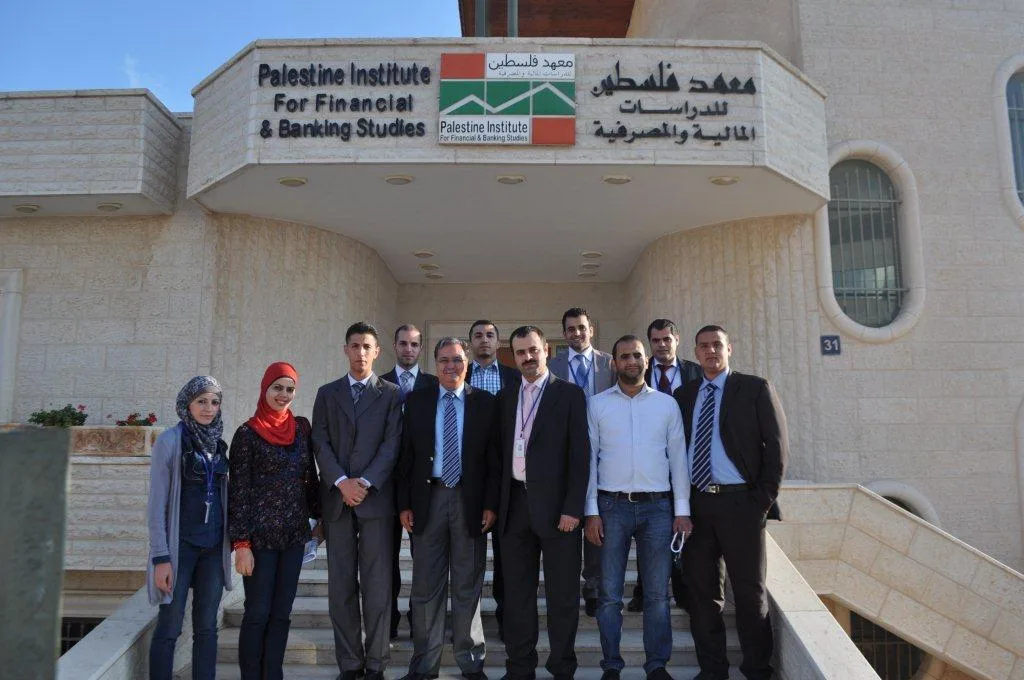
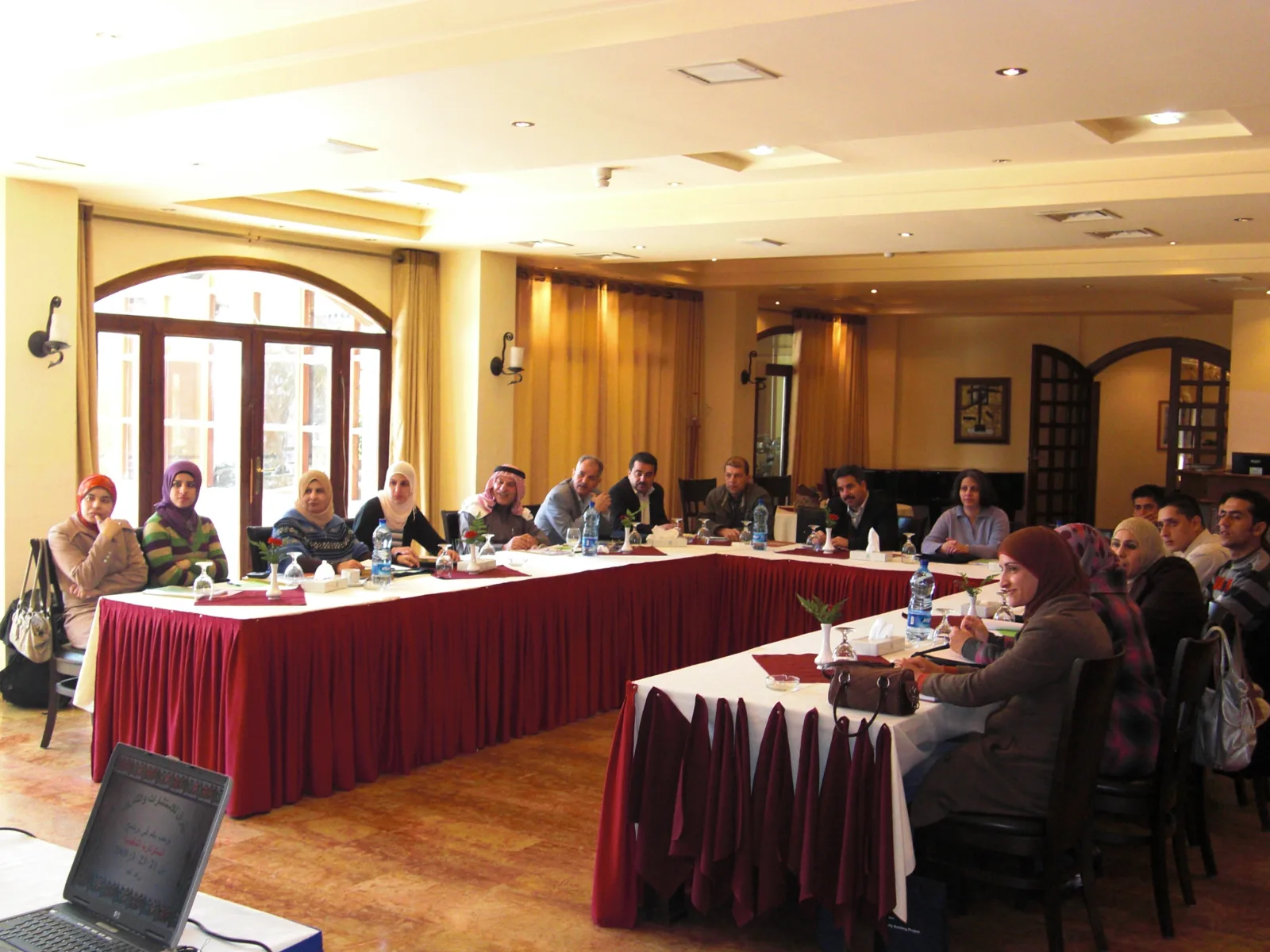
Funded by USAID; for the benefit of Global Communities, Local Government and Infrastructure program – LGI.
West Bank (Northern, Middle and Southern areas)
Feasibility Study for Establishment of Al-Dahrieh International Football Stadium.
2015
Project

Feasibility Study for Establishment of Al-Dahrieh International Football Stadium.

The MDP is a multi-phase national program which is implemented by the Municipal Development and Lending Fund (MDLF). Its first phase was spanned over a three years period from 2010 to 2013 targeting all 134 municipalities in the West Bank and Gaza Strip, and has provided municipalities with a combination of technical assistance and annual performance-based grants for priority sub-projects to improve municipal finance and municipal planning. The second phase of MDP(Phase II) is planned to support municipalities - over the short-term- in improving their municipal management practices for better municipal transparency and service delivery. It is designed to address the core issues in municipal service delivery, including: poor management practices that compound an already severe budgetary crisis, lack of local budgets for capital investments, and low revenue generation.The French Development Agency (AFD) has contributed to the 1st cycle of Phase II of the Municipal Development Program (MDP) with a 1M€ grant. This grant mainly serves to finance technical assistance and capacity building services to a few pilot municipalities across West Bank and Gaza to enhance their capacities to design and manage Local Economic Development (LED) approaches/projects. In that matter, MDLF shall support the packaging and emergence of pilot LED projects, as well preparing to play the role of a mediator/facilitator between the private stakeholders and qualified municipalities. Within the frame work of AFD grant and windows 4 of MDP, MDLF is intend to use part of the grant to contract with consulting firm to undertake an assignment entitled “Feasibility Study for Establishment of - Al-Dahrieh - International Football Stadium”, for the benefit of Al-Dahrieh municipality. The main objective of this assignment was to conduct feasibility study for establishment of -Al-Dahrieh - International Football Stadium, to help the municipality to decide whether to proceed with this LED project or not, and if this project will be feasible to catalyze economic activities not just in its surroundings but also throughout the city.Within this context, the study will focus on the project impacts on the different key aspects of local development (economic, financial, urban and social) at the individual, local and national level. As a result of the study, the municipality will be provided with logical justifications enriched with evidence - based research to proceed with the project or not. Furthermore, this study will examine the expected impacts on the mid and long term of the project to assess the degree of project success be a viable and sustainable financial, urban, economic model.

Funded by AFD ; MDLF, for the benefit of Al- Dahrieh Municipality.
West Bank-Hebron
Institutionalizing Local Economic Development and Developing Local Economic Development Plans for Selected Municipalities.
2015
Project

Institutionalizing Local Economic Development and Developing Local Economic Development Plans for Selected Municipalities.

Global Communities (Formerly CHF International) is a non-profit international development organization acting as a catalyst for long-lasting positive change in low and moderate-income communities, helping them improve their social, economic, and environmental conditions. With funding provided by the (USAID), Global Communities is implementing a program titled "Local Government and Infrastructure - LGI". The program aims mainly at promoting an enabling environment for good local governance and providing the basic infrastructure necessary for sustainable improvements in the quality of life for Palestinians in the West Bank and Gaza. A key intervention of the program is to strengthen local government capacity to respond effectively and efficiently to community needs by promoting and institutionalizing good democratic governance practices. Within this context, it has developed over the past few years to encompass numerous activities through complementary components as follows:Assistance to develop the capacities, functions, and relations of national actors, particularly of the Ministry of Local Government (MoLG) and its regional directorate offices.Local community development which encompasses a) assistance to local communities and councils to identify needs and priorities, b) supporting the implementation of priority service and basic infrastructure projects, and c) developing strategic development and investment plans for partner Local Government Units (LGUs).Assistance to partner local councils in improving their service delivery and internal structure through training of councils' and staff members, introduction of modern systems, in addition to development of critical planning and development tools (e.g. master physical planning for the target towns and cities, etc.)Enhancement of opportunities for effective public participation and engagement in local governance matters which is pursued.Under the framework of point No.2 and following the successful implementation of the Strategic Development and Investment Plans in 10 partner LGUs under LGI and the official approval and endorsement of the modified SDIP methodology by the Ministry of Local Government (MoLG), LGI decided to continue working on this initiative, guided by the unified SDIP methodology, with Hebron Municipality.The main objective of this project is to provide technical assistance and support Hebron municipality in developing and institutionalizing their Strategic Development and Investment Plan (SDIP) in accordance to the SDIP national methodology and approach adopted by the Ministry of Local Government (MOLG).For that purpose, Global Communities has contracted the association of GCT and NCD to implement this project in an effective manner within the highest possible quality standards.
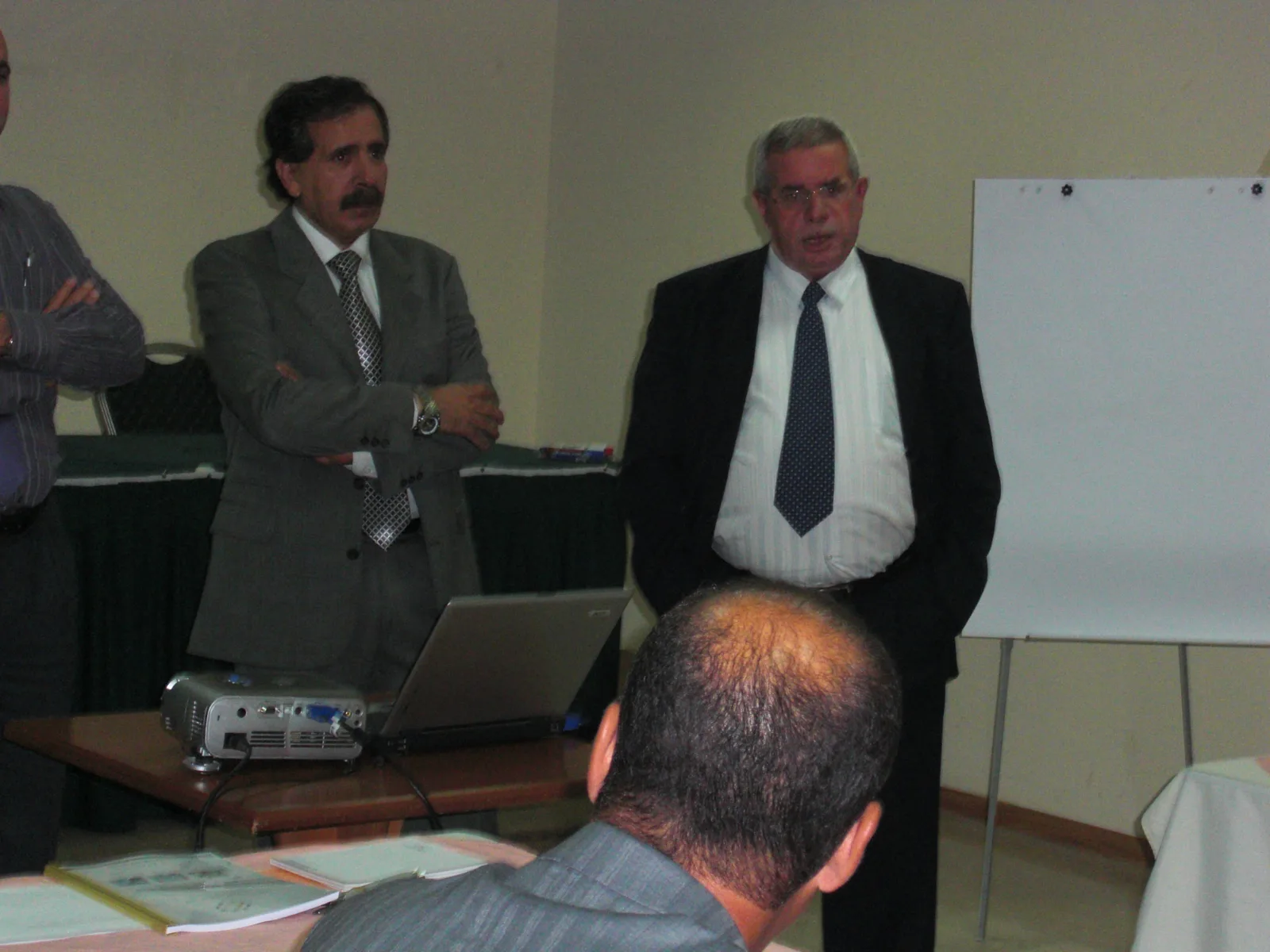
Funded by VNG International; Municipal Development and Lending Fund (MDLF).
West Bank- Ramallah, Al Bireh, AL- Samou’, BirZeit and Tubas).
Developing Strategic Development and Investment Plan- SDIP for the benefit of Hebron City.
2015
Project

Developing Strategic Development and Investment Plan- SDIP for the benefit of Hebron City.

Global Communities (Formerly CHF International) is a non-profit international development organization acting as a catalyst for long-lasting positive change in low and moderate-income communities, helping them improve their social, economic, and environmental conditions. With funding provided by the (USAID), Global Communities is implementing a program titled "Local Government and Infrastructure - LGI". The program aims mainly at promoting an enabling environment for good local governance and providing the basic infrastructure necessary for sustainable improvements in the quality of life for Palestinians in the West Bank and Gaza. A key intervention of the program is to strengthen local government capacity to respond effectively and efficiently to community needs by promoting and institutionalizing good democratic governance practices. Within this context, it has developed over the past few years to encompass numerous activities through complementary components as follows:Assistance to develop the capacities, functions, and relations of national actors, particularly of the Ministry of Local Government (MoLG) and its regional directorate offices.Local community development which encompasses a) assistance to local communities and councils to identify needs and priorities, b) supporting the implementation of priority service and basic infrastructure projects, and c) developing strategic development and investment plans for partner Local Government Units (LGUs).Assistance to partner local councils in improving their service delivery and internal structure through training of councils' and staff members, introduction of modern systems, in addition to development of critical planning and development tools (e.g. master physical planning for the target towns and cities, etc.)Enhancement of opportunities for effective public participation and engagement in local governance matters which is pursued.Under the framework of point No.2 and following the successful implementation of the Strategic Development and Investment Plans in 10 partner LGUs under LGI and the official approval and endorsement of the modified SDIP methodology by the Ministry of Local Government (MoLG), LGI decided to continue working on this initiative, guided by the unified SDIP methodology, with Hebron Municipality.The main objective of this project is to provide technical assistance and support Hebron municipality in developing and institutionalizing their Strategic Development and Investment Plan (SDIP) in accordance to the SDIP national methodology and approach adopted by the Ministry of Local Government (MOLG).For that purpose, Global Communities has contracted the association of GCT and NCD to implement this project in an effective manner within the highest possible quality standards.
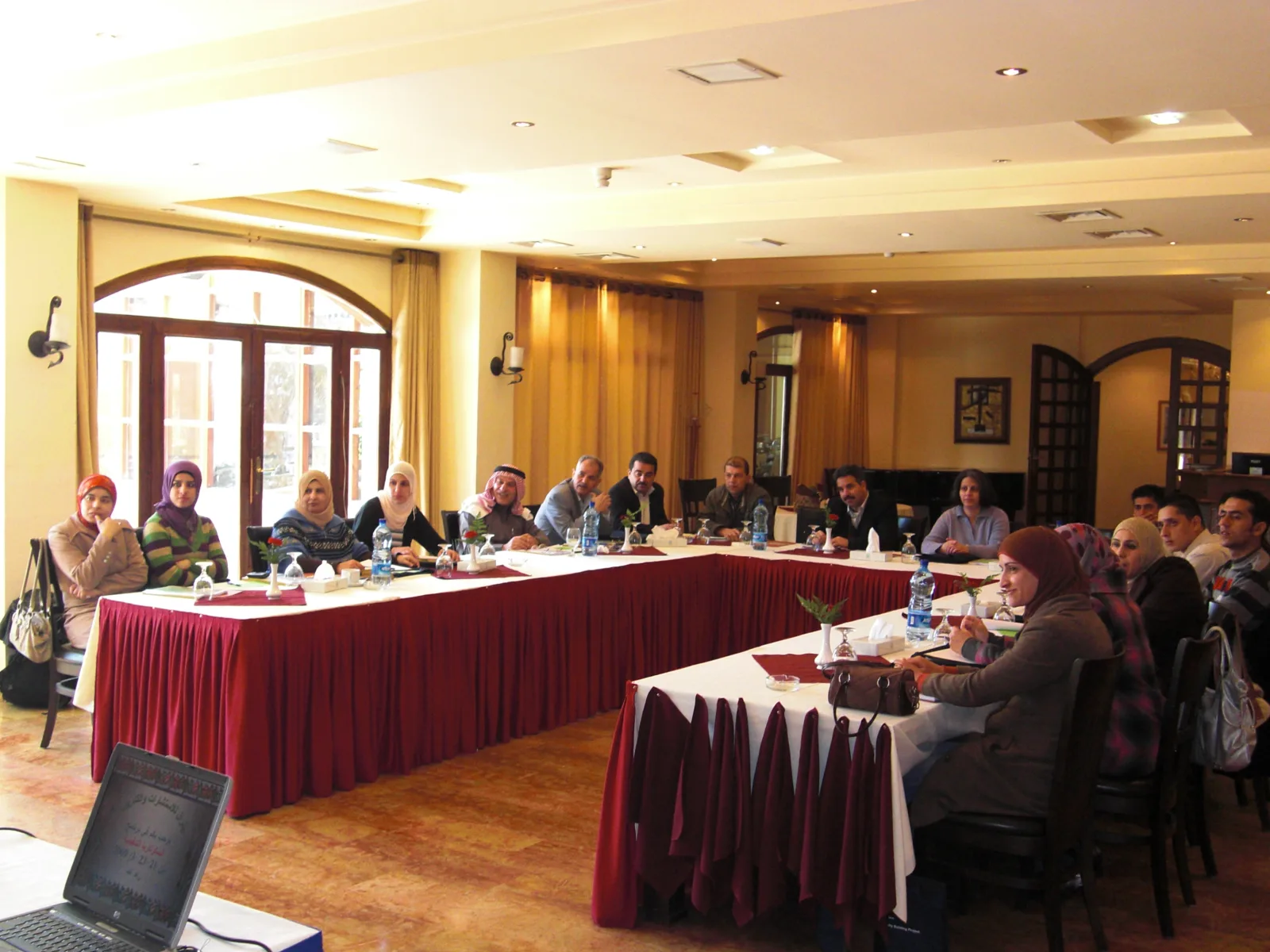
Funded by USAID Global Communities, Local Government and Infrastructure program – LGI.
West Bank -Hebron
Development of New Legal Framework (Laws and Bylaws) for governorate offices in the oPt.
2014
Project

Development of New Legal Framework (Laws and Bylaws) for governorate offices in the oPt.

UNDP/PAPP issued the Development for Freedom (Empowered Lives Resilient Nation) consolidated plan of assistance for the years 2012-2014. The plan focuses on strengthening particular affected geographic areas and vulnerable populations, Gaza Strip, Jerusalem and Area C, by providing assistance in four main sectors: Democratic governance and the social contract, Promoting productivity and dignity through livelihoods, Natural resources and environment, and Public and social infrastructure.In line with this program and the 13th Palestinian Authority (PA) Government Plan of 2011-2013 which known by “Ending the Occupation, Establishing the State”, UNDP/PAPP governance team in coordination with Palestinian partner institutions developed the "Supporting Governance for Palestinian Statehood" program document (Statehood Program). This program aims at improving development management of state bodies, especially in the areas of planning, budgeting, implementation and monitoring, while facilitating civic participation throughout this cycle. it has the following three main outputs: Institutions of governance and public administration able to fulfill responsibilities and undertake administrative/ financial functions; Sustainable platforms inclusive dialogue and accountable interaction between state and citizen established with an emphasis on women and youth; and State and independent bodies empowered and challenges for statehood. UNDP/PAPP has successfully completed a capacity assessment, a capacity development strategy, and a diagnostic report of the existing legal framework for governorates in Palestine in 2012, which is considered as a first step towards achieving that program’s objectives, in cooperation with GCT.As a second step and in accordance with the diagnostic report’s recommendations which prioritized the development of a new legal framework as a top priority, UNDP/Statehood Program was intended to develop a new unified legal framework for Palestinian governorates that would be tackled the weaknesses of existing legal framework and replace or/amend the unclear mandates of governorates and its overlapping responsibilities with other government bodies.The main objective of this assignment is to develop a new legal framework (law and bylaws) that provide a clear mandate of the governors/governorates in line with existing Presidential decrees and the government's cross-sectorial strategy on local government and administrative development, through achieving the following sub-objectives: Develop a draft legal framework (law and bylaws) defining the mandate and functions of governorate administrations; Provide technical assistance to the Office of the President to support its efforts to establish a consensus on the new legal framework. To this end , UNDP/PAPP has contracted GCT to undertake the consultancy service to develop a new legal framework that would clearly regulate the mandate of the governors/governorates, subject to its endorsement by the President.

United Nations development program/ Program of Assistance to the Palestinian People (UNDP/PAPP).
West Bank
Situational Analysis Study and Development of an Implementation Plan for a Future More Decentralized/ Devolved Palestinian Local Government System.
2014
Project

Situational Analysis Study and Development of an Implementation Plan for a Future More Decentralized/ Devolved Palestinian Local Government System.

Global Communities is a non-profit international development organization whose mission is to create long-lasting, positive and community-led change that improves the lives and livelihoods of vulnerable people across the globe. With funding provided by the United States Agency for International Development (USAID), Global Communities-West Bank/Gaza (WBG) is implementing "Local Government and Infrastructure - LGI" Program. The main objective of this program is to promote an enabling environment for good local governance and provide the basic infrastructure necessary for sustainable improvements in the quality of life for Palestinians in the West Bank and Gaza. A key intervention of the program is to strengthen local government capacity to respond effectively and efficiently to community needs by promoting and institutionalizing good democratic governance practices.Within this context, the LGI aims to conduct an analytical study on decentralization covering the current realities and the possibilities for a more decentralize/devolved Palestinian local government system.The main objectives of this analytical study were to: Research, analyze and diagnose the current situation of the local government system in the WB, identify its level of decentralization as stipulated by the Local Authorities Law/s and based on current practices establish criteria to assist in evaluating the roles and responsibilities of the LGUs and the MoLG.Provide decision makers with insights and recommendations to determine the appropriate level of decentralization/devolution in the future for the Palestinian local Government System.Develop a doable practical implementation steps and plan building on what exists, what needs to be changed, requirements for change and in what timeframe to move for a more decentralized/ developed local government system. Inclusive of Laws need to be changed/updated and implications.Build consensus among relevant stakeholders on the practical steps that need to be adopted in the short, medium, and long term, to move for a more decentralized local government system. To this end , GC has contracted the local association of GCT and NCD to undertake this assignment in professional and comprehensive manner.

Funded by USAID; for the benifit of Global Communities, Local Government and Infrastructure program – LGI
West Bank
Development of Public Notification Policies and Communication Plans for 27 LGUs.
2014
Project

Development of Public Notification Policies and Communication Plans for 27 LGUs.

Description of Actual Services Provided by GCT:Conducting kick of meetings with Global Communities and 4 of selected LGUs (municipalities) to start up the project and update methodology ,work plan to be used in the execution;Supporting the establishment of a project task force (PTF) in each targeted LGU to assist in the preparation of the municipal public notification policies and communication plans;Conducting desk review of the available documents and data related to the project;Conducting 3 centralize workshops with targeted municipalities to assess the the current situation of notification and communication;Reviewing and evaluating the current public notification policies, scope and tools in use in the targeted LGU's;Reviewing and evaluating current communication processes using SWOT tool;Building consensus among each LGU council and staff on the agreed public notification scope and procedures;Preparing draft proposed public notification policies and procedures to gain the final approval form GC and targeted LGUs;Coaching and buidling the capacity of targeted LGUs staff (including PTF) to prepare and develop communication plans ; Conducting centralized workshops for all targeted LGUs to develop and finalize their communication plans;Finalizing and approving the communication plans for targeted LGUs.

Funded by USAID; Global Communities, Local Government and Infrastructure program – LGI
Northern, Middle and Southern of West Bank.
Final Evaluation of Promotion and Development of Tourism in Jenin Area (PDTJ) Project.
2014
Project

Final Evaluation of Promotion and Development of Tourism in Jenin Area (PDTJ) Project.

Promotion and Development of Tourism in Jenin Area (PDTJ) was an initiative by the Jenin Governorate (JG) to enhance the tourism in Jenin as a new opportunity for economic and cultural development, funded by Spanish Agency for International Development Cooperation (AECID). The project proposal was submitted by JG and approved by AECID end of 2010, with a total value 500,000 Euro over the period of 18 months. The overall aim of this project was to promote and develop the tourism sector in Jenin area by improving the position of Jenin as a tourist destination, focusing on quality, diversification and sustainability, within the context of the PNA and Ministry of Tourism larger strategy.Based on the diagnosis report, PDTJ established Jenin Visitors Center (JVC) as a key pilot project located in Jenin city, Nablus Street, Mahmoud Darwish Building, 2nd floor. By approaching the end of project and according to the stated activities in the approved work plan, JG planned to conduct an external evaluation to assess the impact of PDTJ in the tourism sector in Jenin area, by contracting an eligible consulting firm. In this context, JG contracted GCT to undertake this assignment in objective manner and achieve the following sub- objectives:Clarifying the degree of fulfillment of the specific aim of the action taken and the results achieved;Assessing the results of the implemented activities of the project in relation to its short- and mid-term impact;Drawing key lessons learnt in order to develop and improve the design of future projects in the same fields;Developing recommendations to enable Jenin governorate and its partners to take decisions on the course of implementation of current project (PDTJ).

Funded by Spanish Agency for International Development Cooperation (AECID); for the benefit of Jenin Governorate
West Bank- Jenin
Provision of Capacity Assessment, Development of Capacity Development Strategy and a Diagnostic Report of the Existing Legal Framework for Governorates Offices in the oPt.
2012
Project

Provision of Capacity Assessment, Development of Capacity Development Strategy and a Diagnostic Report of the Existing Legal Framework for Governorates Offices in the oPt.

UNDP/PAPP issued the Development for Freedom (Empowered lives. Resilient Rations) consolidate plan of assistance for the years 2012- 2014, which focus on strengthening particular affected geographic areas and vulnerable populations (Gaza Strip, Jerusalem and Area C), by providing assistance in four main sectors: democratic governance and the social contract, promoting productivity and dignity through livelihoods, natural resources and environment, public and social infrastructure.In line with this program and the 13th Palestinian authority (PA) Government plan of 2011-2013 which called ending the occupation, establishing the state, UNDP/PAPP governance team in coordination with Palestinian partner institutions developed the "supporting governance for Palestinian statehood" program document (statehood program) which aims to achieve three main outputs: 1. Institutions of governance and public administration able to fulfill responsibilities and undertake administrative/ financial functions, 2. Sustainable platforms inclusive dialogue and accountable interaction between state and citizen established with an emphasis on women and youth, and 3. State and independent bodies empowered and challenges for statehood. In line with above three outputs mainly the first output, there was a key activity included in the statehood program aiming at developing a comprehensive intervention at the governorates level entitled "support APLA (Association of Palestinian Local Authority) and local governorates to improve decentralized service delivery to local constituencies". Within this context, UNDP/PAPP has planned for conducting a capacity assessment for the governorate offices, development of capacity development strategy, and a diagnostic report of the existing legal framework for Governorate Office in the oPt and provide recommendations on the way forward. In order to these activities be implemented, UNDP/PAPP was contracted GCT to undertake this assignment toward achieving the main objectives. The main objectives of this study were to:Conduct a capacity assessment of all governorate offices.Formulate capacity development strategy to address capacity gaps and capacity development action plan for governorate, based on the results of the capacity assessment.Develop a diagnostic report of the existing legal framework for governorate offices in the oPt (both in Gaza and the West Bank), provide recommendations for improvements and highlights of a suggested new legal framework that clearly defines responsibilities and authorities of governors, with special emphasis on the relation with local government units, PA line ministries at the governorate level, and regional (governorate) planning.

United Nations development program/ Program of Assistance to the Palestinian People (UNDP/PAPP).
West Bank
Impact Assessment Survey of JICA's Major Projects in Assisting Palestine.
2012
Project

Impact Assessment Survey of JICA's Major Projects in Assisting Palestine.

The Japanese government has provided assistance and big support to Palestine since 1994 until now by the Japan International Cooperation Agency (JICA) as the implementing organization to the Japanese government’s assistance policy toward Palestine, which reflected in the “Corridor for Peace and Prosperity”. JICA has played a significant role in Palestine from 1997 by addressing the Seven Priority Areas and expanding its cooperation to Palestine.JICA has contracted Japanese consultant team (consortium structured by Oriental Consultants Co, Ltd. and KRI International Corp) to conduct a survey titled “Data Collection Survey on Assistance Approach in Palestine”, for the purpose of achieving this study the consortium in turn has contracted GCT to conduct an Impact Assessment of JICA's Major Projects in Palestine to be a reliable reference for JICA in planning its operation and strategy toward assistance for Palestine.The main objectives of this study were to assess the individual and collective impacts with quantitative and qualitative analysis of the major projects in the seven priority areas (SME development & export facilitation, agriculture, tourism, local governance, public finance management, water & waste water management, health, and education) in which JICA has been committing, through the following sub objectives: To find good practices and success stories in each area form micro to macro levels (communities to governmental levels).To review to what extent each of projects has positively impacted on the fulfillment of sector goal set by Palestine - National Development plan.To suggest, whenever possible, the further actions, remedies needed to ensure positive impact generated, sustainability and sound development of each cooperation area or sector.To pinpoint both positive and negative factors and drawbacks associated with each of projects and/or target area, individually and collectively.

Funded by Japanese consultant consortium (Oriental Consultants Co, Ltd. and KRI International Corp), JICA study team of “Data Collection Survey on Assistance Approach in Palestine”; for the benefit of Japan International Cooperation Agency (JICA).
West Bank –Ramallah
Evaluation of Participatory Rural Development Planning Project (PRDPP).
2012
Project

Evaluation of Participatory Rural Development Planning Project (PRDPP).

Participatory Rural Development and Planning Project (PRDPP) is a three years development project and one of UNDP assistance projects to Palestinian people. It was implemented in Jenin district (87 localities) jointly by the Palestinian Ministry of Planning and Administrative Development (MOPAD), and Ministry of Local Government (MOLG) during the period between Jan 2006- Dec 2008.The project idea revolved about how it is critical to improve sustainable development planning capacity at the local level (district and village level) to alleviate poverty; and to enable citizens to participate in decision-making, strengthening accountability and transparency and making local leaders more directly accountable to communities they serve. PRDPP tackled these issues by building the capacity of a wide range of Palestinian institutions including local government units (LGUs), Joint Councils (JCs), Ministry of Planning &Administrative Development (MOPAD), local communities and civil society organizations (CSOs), private and academic sectors in order to be engaged in participatory district planning processes. In accordance with that , PRDPP aimed mainly to institute participatory local democratic governance at the regional level by strengthening the planning capacity of authorities and organizations at national, regional and local levels in carrying out the participatory strategic development planning.For the purpose of conducting final evaluation for PRDPP achievements and its interventions impacts, UNDP has contracted GCT to implement the required evaluation study in professional and objective manner. The main objectives of this evaluation was to conduct an independent assessment of the performance and achievements of the PRDPP program, by assessing the relevance, efficiency, effectiveness, impact and sustainability of its operations and activities in Jenin District, as well as to draw lessons learned, recommendations that may be incorporated in future development plans.

United Nations development program (UNDP/PAPP), Ireland Development Cooperation (Representative of Ireland to Palestinian Authority)
West Bank –Jenin
Support to the European Commission in the assessment of the employability situation of Area C in the West Bank of the Occupied Palestinian Territory (oPt), and formulation of a program to support TVET in Area C.
2012
Project

Support to the European Commission in the assessment of the employability situation of Area C in the West Bank of the Occupied Palestinian Territory (oPt), and formulation of a program to support TVET in Area C.

The European Training Foundation (ETF) is a specialized agency of the European Union based in Italy.It provides advice and assistance to the European Commission and 30 partner countries for the reform of human capital development policies & helps transition and developing countries to harness the potential of their human capital through the education, training and labour market systems reform.In light of a direct request by the European Representative office in WB&GS and in cooperation with GIZ , ETF has formulated a TVET support program for three governorates in the West Bank (Bethlehem ,Hebron, and Nablus) which aimed to support TVET institutions in these governorates to deliver more relevant training to equips Palestinians trainees with the required qualifications/capacities by the labor market . within this context , the European Union Representative office asked ETF to carry out an assessment of employability situation in Area C which in turn contracted Transtec to implement this study. The main objective of this study was to support the European Commission in assessment the employability situation in Area C in the West Bank and formulation a program to support TVET in this area through the following set of activities: A qualitative assessment of the knowledge, skills and abilities of the labor force in targeted areas and its capacities to access the labor market.A qualitative and quantitative assessment of the job opportunities in the targeted areas.Recommendations for future interventions, including a mapping of partners operating already in area C.A digital map of labor data in the area C, based on the labor force survey data of the West Bank.To this end, Transtec in turn has contracted GCT to provide qualified local experts with required competences to work in achieving the study objectives and cooperating with other international experts for that purpose.

Funded by European Training Foundation (ETF) - TVET supporting program, implemented by Transtec.
West Bank –Area C
Consulting Inquiries

Need Expert Consulting Services?

Partner with GCT for high-impact advisory and project delivery across Palestine and the region.

Live Support & Inquiries

GCT Advisory Team