Our Projects | GCT Consulting & Training

Explore GCT's portfolio of 900+ consulting projects across Palestine and the Arab region, spanning governance, M&E, agriculture, justice, social development, economic development, water, and education.

900+

Delivered Projects

27+

Years of Experience

400+

Key Clients & Donors

8

Specialized Sectors

Our Project Portfolio

Explore our portfolio of projects delivered across multiple sectors with local and international partners.

Our Project Portfolio

Consultancy for Services Psycho-social and Legal Support
2024
Project

Consultancy for Services Psycho-social and Legal Support

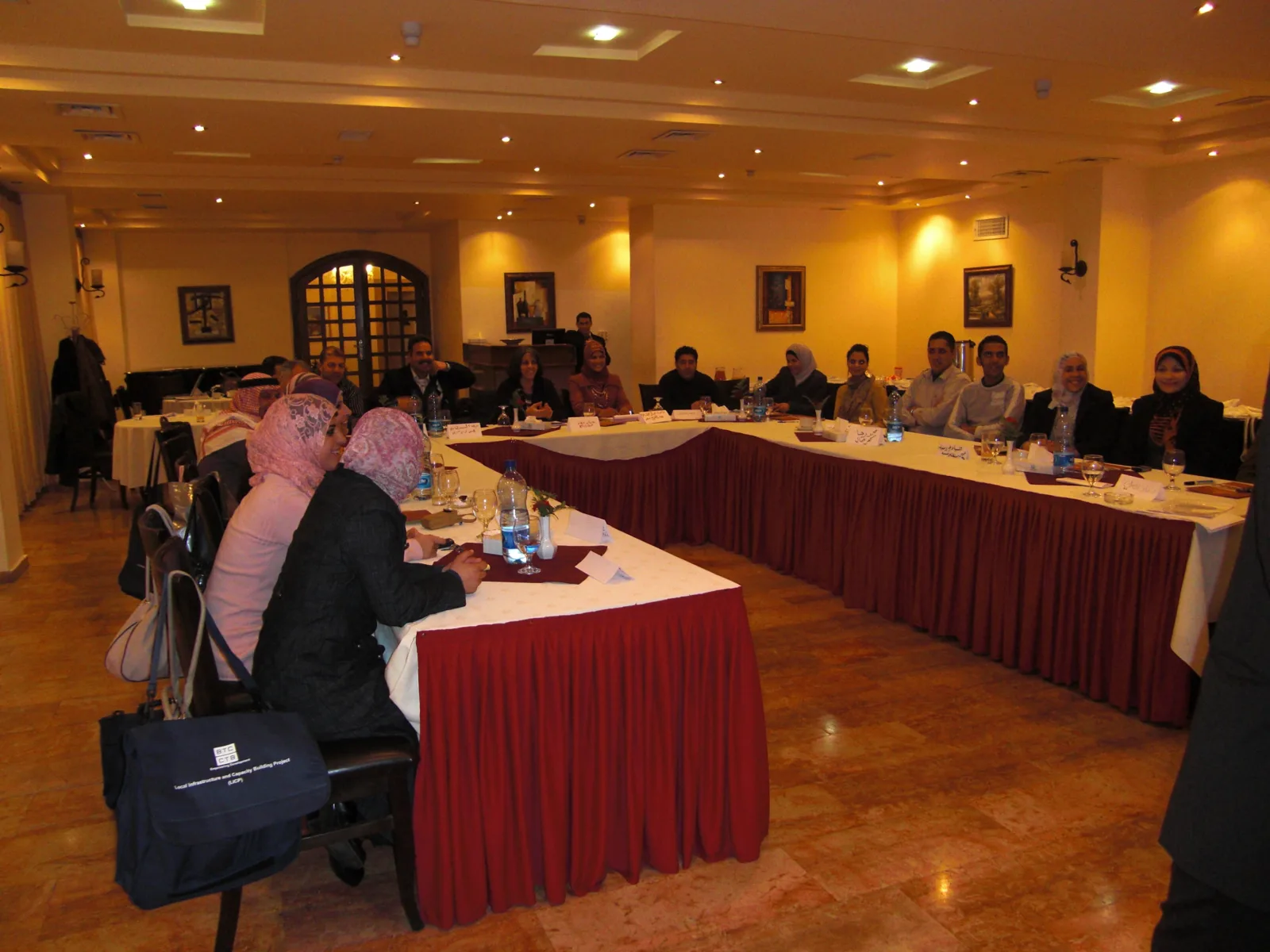
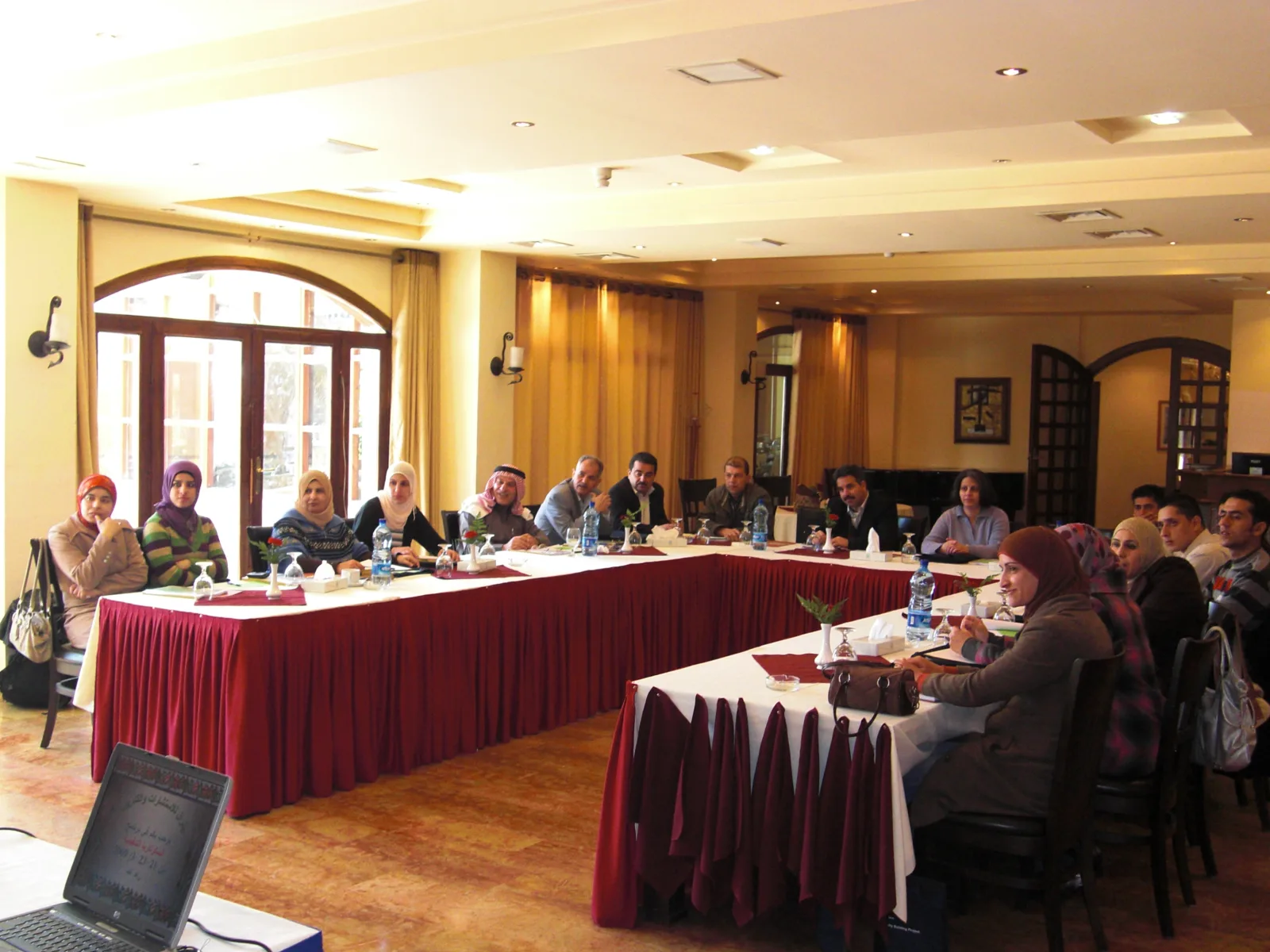
The Psychosocial and Legal Support Consultancy Services project was implemented under the Rural Development Project in Area C – Phase II (RDP II), funded by the Agence Française de Développement (AFD) and implemented by the Ministry of Local Government (MoLG). The project targeted 19 marginalized rural communities across the Jericho, Tubas, and Salfeet governorates in the West Bank.The overall objective of the assignment was to strengthen the resilience, social cohesion, and rights awareness of vulnerable communities in Area C, with a particular focus on women, youth, children, and persons with disabilities. The project addressed the compounded psychosocial, legal, and socio-economic challenges faced by these communities due to political instability, movement restrictions, and limited access to services.The assignment was implemented through three integrated phases: Inception and Planning, Implementation, and Internal Evaluation and Reporting. During implementation, the consultancy conducted a comprehensive psychosocial and legal baseline study, established and strengthened Community Development Committees (CDCs) in coordination with Local Councils, and delivered structured psychosocial support sessions, legal awareness workshops, and individual legal consultations.In addition, the project introduced community hackathons and socio-economic development initiatives, enabling youth and community members to design and propose locally driven solutions addressing priority needs in areas such as agriculture, services, social entrepreneurship, and community infrastructure.The consultancy also designed and implemented a robust MEAL framework, produced periodic progress reports, a mid-term report, an internal evaluation report, and a final report documenting results, lessons learned, and actionable recommendations. The project contributed directly to enhancing community resilience, improving access to rights-based services, strengthening citizen engagement with local authorities, and promoting sustainable, community-led development in Area C.
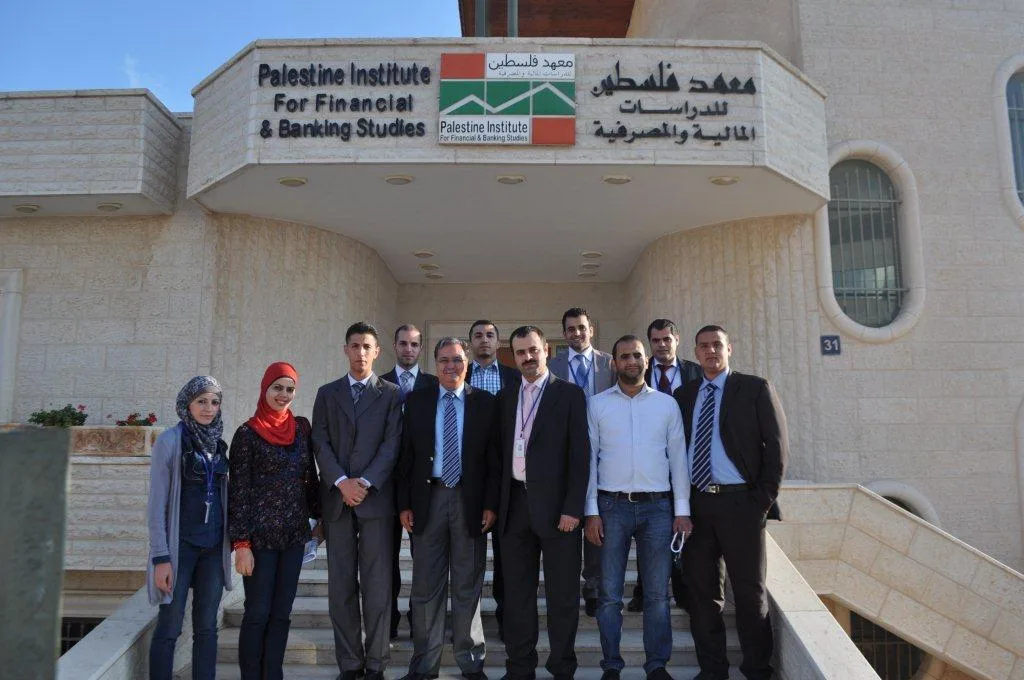
For the benefit of Ministry of Local Government (MoLG); Funded by French Development Agency (AFD)
West Bank
Capacity Building Trainings to Stakeholders within the Justice, Security and Social Sectors under the framework of UN WOMEN joint programme with UNDP and UNICEF - “Promoting the Rule of Law in Palestine- SAWASYAII
2022
Project

Capacity Building Trainings to Stakeholders within the Justice, Security and Social Sectors under the framework of UN WOMEN joint programme with UNDP and UNICEF - “Promoting the Rule of Law in Palestine- SAWASYAII

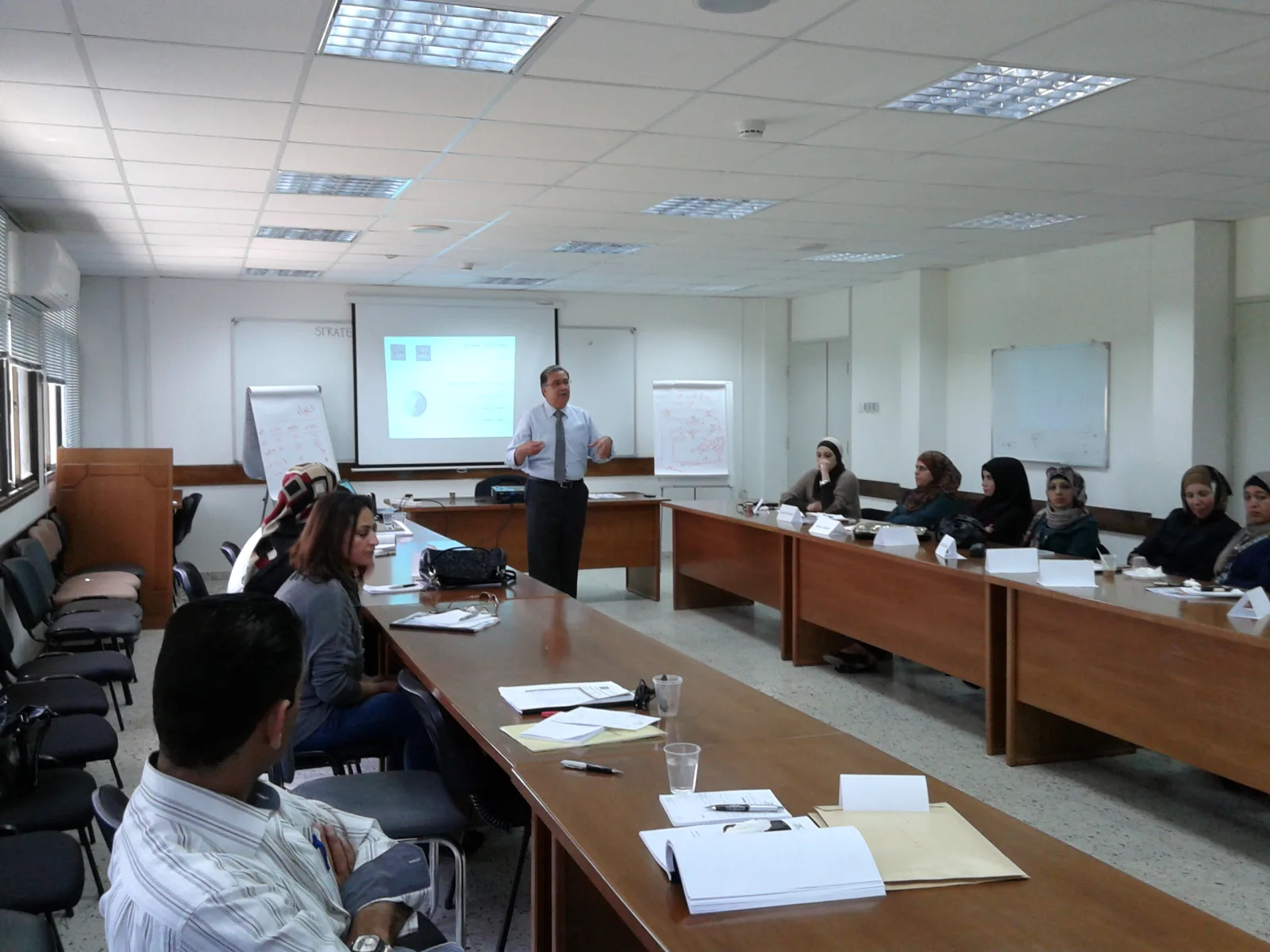
In line with the Palestinian Government’s commitment to achieve gender equality and to fight Violence against Women (VAW), and in full partnership with the Justice and Security Sectors, including the Public Prosecution (PP), the Palestinian Civil Police (PCP), the High Judicial Council (HJC) and the Supreme Judge Department (SJD), UN Women, within its joint programme with UNDP and UNICEF - “Promoting the Rule of Law in Palestine- SAWASYAII” is supporting the Justice and Security institutions to mainstream gender in their procedures and policies, and develop and provide gender responsive services to women victims and survivors of violence, through providing institutional capacity building support and policy level interventions, amongst others. Strengthening the capacities and increasing the knowledge of partner institutions within the justice, security and social sectors go hand in hand with SAWASYAII programme fourth outcome which focuses on enhancing women’s access to justice and security. As per the programme’ s plan of 2022, several capacity building interventions were identified and agreed upon with partners institutions, including the Attorney General Office (AGO), the HJC, the PCP, the SJD, and the Ministry of Social Development (MoSD). Against this backdrop, UN Women SAWASYAII programme plans to select a company to develop and deliver capacity building trainings to chief prosecutors, prosecutors, Judicial Inspection Department at the AGO, VAW judges, judges, family prosecutors at Sharia courts, Sharia court judges, Family and Juvenile Protection Units at the PCP , and MoSD counsellors. Objectives of the Assignment include the following: To develop capacity building trainings in the areas of women’s rights, gender justice, violence against women, and others, as described in the scope of the work.To deliver a total of 45 capacity building training days targeting the AGO/ PP, the HJC, the SJD, the MoSD, and the PCP. to this end, UN WOMEN has contracted GCT to implement this assignment in line with their requirements and expectations.

UN Women, under the framework of its joint programme with UNDP and UNICEF - “Promoting the Rule of Law in Palestine- SAWASYAII
West Bank
Optimization and Flowcharting of Police Standard Operating Procedures
2020
Project

Optimization and Flowcharting of Police Standard Operating Procedures

On behalf of the German Federal Foreign Office (AA), the Deutsche Gesellschaft für Internationale Zusammenarbeit (GIZ) GmbH is supporting the Palestinian Civil Police (PCP) with the program “Strengthening of Police Structures, Phase IV”(SPS),commissioned from October 2018 to September 2020. The main objective of the program is to enable the PCP to provide citizen-oriented services based on professional standards and to contribute actively to security and law enforcement. During Phase II until 2015, piloting a newly developed organizational model at four community police stations (CPS) set the foundation for applying a uniform structure throughout the West Bank as well as for reviewing the CPS training course at the Palestine College for Police Sciences (PCPS).In a parallel initiative launched in the district of Tulkarem in 2016/17, a mobile police station (MPS) was piloted as an innovative tool to increase patrolling in remote areas. Given the successful outcome of this pilot, the roll-out of a total of eleven newly designed vehicles to all districts in the West Bank has been concluded in 2019. Currently MPS visits are being conducted to marginalized and remote areas throughout the West Bank. Organizational models for City Police Station and District Command in Jenin (incl. mandates, organizational structures, standard operating procedures, MoU, and monitoring and evaluation documents) were developed by the police under the supervision and guidance of the Police Program team. One of the outputs developed was the standard operating procedures for sixteen (16) branches of police specialized departments. As the police lack the IT knowledge and tools, the main purpose of this assignment is to review, optimize and flowchart up to 400 procedures for the district police in Jenin. Expert is required to review the operating procedures with the police technical team to ensure, functionality and validity during the piloting phase which will start in September 2020. During the piloting phase, changes and modifications might apply.To this end GIZ has contracted General Consulting and Training Company, to implement this assignment according to their requirements and expectations.

Funded by GIZ, for the benefit of the Palestinian Civil Police (PCP)
West Bank
Review of ICT Legal Framework and assessment of ICT for agricultural innovation in the State of Palestine
2019
Project

Review of ICT Legal Framework and assessment of ICT for agricultural innovation in the State of Palestine

Innovation and ICT Sector Development as a Tool for Peace and Prosperity in State of Palestine project was implemented by UNDP in partnership with the Ministry of Telecom and Information Technology (MTIT) and Ministry of Agriculture (MOA), it aimed to contribute to innovation development and ICT for the economic development of Palestine.Under this project, as it is well- known that development and investment in any sector requires a solid legal and legislative ground in order to succeed and sustain, by understanding whether recent developments in these sectors exposed anomalies in the legal and regulatory environment have; to identify where the current policy objectives have and have not been achieved, and to understand policy goals may need to be set in response to the changed and foreseeable environment both locally and globally, UNDP contracted GCT to conduct review of ICT Legal Framework and assessment of ICT for agricultural innovation in the State of Palestine. The general main purpose of this assignment was to enhance the enabling environment for ICT developments and entrepreneurship through achieving the following sub-objectives:Reviewing the national ICT legal and policy framework with special focus on ICT for agricultural sector (Argo-Tech).Identifying structural anomalies in the governance model and any shortfalls identified in the legal and institutional framework that may presently inhibit the normal development of the sector.Identifying policies and seek to ensure the efficient operation and development of ICT sector and related areas of activity, such as that of the Agricultural Sector as a source of economic growth and prosperity to the state of Palestine.

Funded by UNDP / PAPP; for the benefit of Ministry of Agriculture and Ministry of Telecom and Information Technology of the State of Palestine.
West Bank
Capacity Building Trainings on Gender Concepts and Gender Mainstreaming to Strengthen Capacities of Security and Justice Sectors.
2019
Project

Capacity Building Trainings on Gender Concepts and Gender Mainstreaming to Strengthen Capacities of Security and Justice Sectors.

The SAWASYA II Joint Program (UNDP/UN Women/UNICEF) Promoting the rule of law in Palestine; was launched on 1 July 2018, with a budget of around USD 30 million, and ran until June 2023. The program is supported by the Government of the Netherlands, SIDA/Sweden, Spain, as well as corporate investment by UNDP/BPPS. The overall objective of the Joint Program is to strengthen the rule of law by developing efficient, accountable and harmonised justice and security institutions, which are gender-sensitive and rights-based while improving access to justice and security services for disadvantaged social groups, particularly women and girls. Recognising that, UN WOMEN supports the ‘justice and Security Institutions to increase their capacities to provide gender responsive services to VAW cases and mainstream gender perspectives into the polices, structure and practices. Within the framework of the SAWASYA II Joint Program, UN WOMEN planned to conduct a long-term training to build the capacity of security sectors, public Prosecution and high judicial Council actors on gender, gender concepts and gender mainstreaming tools and strategies. The overall objective to this assignment / workshops is to increase the awareness and sensitivity of the participants from security sectors, public Prosecution and high judicial Council towards gender issues, women’s rights and VAW and therefore enable them to integrate gender into key institutional documents and processes within their respective institutes, such as sectorial plans, monitoring and evaluation related processes and frameworks, in addition to recruitment and Human resources policies and practices; to this end, UN WOMEN has contracted GCT to implement this assignment in line with their requirements and expectations.

Funded by UN-WOMEN; for the benefit of Ministry of Interior, Palestinian Civil Police, High Judicial Council-
West Bank
Gender Equality in the Occupied Palestinian Territories.
2018
Project

Gender Equality in the Occupied Palestinian Territories.

The United Kingdom, including through its Conflict, Security and Stability Fund supports progress towards gender equality in the Occupied Palestinian Territories (OPTs), due to its impact on peace building, economic and security objectives, as defined in the Middle East Peace Process (MEPP) National Security Council Strategy. Globally, the evidence shows that increased levels of gender equality are linked to reduced levels of internal and external conflict. MENA GDP growth could have been doubled between 2003-2013 had the gender gap been narrowed. In security terms, violence against women and girls is an important factor in the radicalisation of women. The main focus of this program is supporting the development of inclusive and sustainable Palestinian institutions for a future Palestinian State (with particular emphasis on the security sector); building the conditions within Palestinian and Israeli society that are conducive to a peace agreement; and protecting the most vulnerable communities, helping them to remain on their land and preserving the viability of the two state solutionThe main beneficiary of this project will be the Palestinian public, women and girls, as well as men and boys will benefit from this project, thanks to the clear peace building, economic and security benefits that arise from greater gender parity. The main objective of this project is defined as ‘Supporting Palestinian women to take their rightful place as equal leaders in a future Palestinian State’. It is envisioned that the project will both enable women to take up leadership positions, particularly in the security and legal sectors given existing MEPP CSSF focus in these areas, and promote the visibility of Palestinian women in leadership positions.

The British Consulate in Jerusalem
West Bank and Gaza (Canceled)
External Evaluation and Strategic Plan Formation to The Jerusalem Legal Aid \& Human Rights Center (JLAC).
2017
Project

External Evaluation and Strategic Plan Formation to The Jerusalem Legal Aid \& Human Rights Center (JLAC).

The Jerusalem Legal Aid and Human Rights Center (JLAC) is one of the key and major players in the fields of Human rights and legal aid. JLAC’s mission is to combat all forms of human rights violations regardless of perpetrating authority, through; facilitating access to justice, lobbying and advocacy, mobilizing social capital, and high professionalism. JLAC is providing its services now through 4 main offices in Jerusalem, Ramallah, Nablus and Salfeet. With the end of JLAC’s current Strategic Plan (2013-2017), it seeks to undertake an external evaluation of its operations and programming, in order to inform the development of a new strategy for JLAC’s work, address shortcomings, identified during the evaluation process, and build on existing strengths. The general objective of this assignment was to evaluate JLAC’s programming and wider institutional role of service delivery, as well as measure the relevance, effectiveness, efficiency, impact, structures, internal environment and sustainability towards the formation of new Strategic Plan (2018- 2022) which considers the identified strengths and shortcomings.More specifically, the assignment was aimed to:Measure extent to which the programming objectives align with the needs of the beneficiaries and donor strategies;Assess programmatic achievements (i.e. expected vs. obtained results);Measure manner of economic viability employed in achieving objectives Evaluate extent to which programming contributes to the attainment of overall development goals Examine to which degree the programming yields lasting positive changes continuing past the intervention;Identify gaps, challenges and obstacles, institutional/programmatic strengths and weaknesses;Examine reporting accuracy to what extend it reflects successes and weaknesses;Conclude lessons learnt and draw recommendations for institutional/programmatic improvements.To this end, JLAC has contracted GCT to undertake this assignment in line with its requirements and expectations.

The Jerusalem Legal Aid \& Human Rights Center (JLAC)
West Bank
Final Evaluation of “Enhancing the Capacities of the Palestinian Authority in Mainstreaming Environment and Climate Change” Project.
2017
Project

Final Evaluation of “Enhancing the Capacities of the Palestinian Authority in Mainstreaming Environment and Climate Change” Project.

The project aimed at enhancing capacities of the Palestinian Authority (PA) to mainstream and address the challenges of climate change into the government policy framework and plans. It also intended to support the implementation of pilot projects on climate change adaptation and mitigation. more specifically the project aimed at :To support PA, especially EQA and the Ministry of Foreign Affairs (MoFA) to engage in the International Environmental Conventions, including Rio Conventions, especially UNFCCC, in preparation for the state building;To mainstream climate change into national plans and strategies as integral component for sustainable development and green economy;To assess and strengthen the capacities of the related PA ministries and authorities in climate change mainstreaming, adaptation and mitigation according to the priorities identified;To implement selected Pilot projects from the Palestinian Adaptation Program of Action (PAPA) in the most affected areas in Palestine including water resources and food security, efficient and sustainable use of energy and sea level rise;To enable the PA to access environmental financing with focus on the GEF/SGP.With approaching the end of project, a final evaluation was necessary to provide a comprehensive and sufficient analysis of the project during the 4 years of operation by conducting an independent external assessment of the level of achievement, performance and impacts of set objectives and expected results, outputs and outcome listed in the project documents, determine the successes and/or shortcomings, as well as the factors that have hindered or facilitated the success of the project, identify lessons learned and best practices, in addition to provide recommendations to be considered in the development of future similar interventions.Specifically, the final evaluation focused on the following relevant activities: Assessing the relevance of the project in the context of the State of Palestine and the actual needs of Palestinian institutions;Determining the extent to which the project has achieved its overall goal, specific objectives and expected outputs since its inception;Addressing the gaps and highlighting challenges in achieving the desired results and outcomes;Analyzing the processes, efficacy of used model/practices/strategies, the effectiveness of project monitoring and learning processes, relations with relevant main stakeholders, and other aspects of UNDP/PAPP’s performance as implementing agency;Assessing the overall impacts of project and appraising the potential sustainability;Identifying and highlighting lessons learned, best practices, challenges faced, and providing recommendations as needed for development similar future interventions.Within this context, UNDP/PAPP has contracted GCT to undertake this final evaluation assignment in line with its requirements and expectations.

Funded by Government of Belgium; for the benefit of United Nations Development Program / Program of Assistance to the Palestinian People (UNDP/PAPP).
West Bank
Final Evaluation of SAWASYA Program “Strengthening the Rule of Law: Justice and Security for the Palestinian People”.
2017
Project

Final Evaluation of SAWASYA Program “Strengthening the Rule of Law: Justice and Security for the Palestinian People”.

SAWASYA Joint Program (UNDP/UN Women) was launched on 1st of May 2014, with contributions secured from the Government of the Netherlands, SIDA/Sweden, the UK/DFID, and the European Union, as well as corporate investments by UNDP. It is overall objective was to strengthen the rule of law by developing efficient, accountable and harmonized justice and security institutions, which are gender-sensitive and rights-based while improving access to justice and security services for disadvantaged social groups, particularly women and girls. With approching the end of the program in (April 30th.2017), UNDP/PAPP and UN Women intended to conduct an independent-extrnal final evaluation to assess the level of progress achieved by the Sawasya Program against the planned output and outcome results as set out in the program documents. The main objective of this final evaluation is to provide insight into program achievements, challenges and lessons learnt, as well as providing recommendations for UNDP/UN Women and other stakeholders to consider in the development of the follow-up phase of the program.Specifically, the final evaluation focused on the following relevant items : Assessing the relevance of the program in the context of the State of Palestine and the actual needs of targeted groups;Determining the extent to which the program has achieved its overall goal, specific objectives and expected outputs since its inception;Addressing the gaps and highlighting challenges in achieving the desired results and outcomes;Analyzing the processes, efficacy of used model/practices/strategies, the effectiveness of program monitoring and learning processes, relations with relevant justice sector actors and stakeholders,Assessing the overall impacts of program on the targeted groups both at the ‘supply’ and the ‘demand’ side Identifying and highlighting lessons learned best practices, challenges faced, and providing recommendations.Within this context, UNDP/PAPP has contracted GCT to undertake this final evaluation assignment in line with their requirements and expectations.

United Nations Development Program/ Program of Assistance to the Palestinian People (UNDP/PAPP) and UN Women (Joint Program).
West Bank \& Gaza Strip
Diagnostic Review for Work Based Learning (WBL) Legislation and Development the Needed Complementary Bylaws.
2016
Project

Diagnostic Review for Work Based Learning (WBL) Legislation and Development the Needed Complementary Bylaws.

The ECIB Program focuses on improving the qualitative and quantities aspects of work-based learning practices at the technical and vocational education and training (TVET) programs in Palestine, which is aligned to the national TVET strategy and the five-year plan of relevant ministries (MoEHE & MoL).Within this context and to support the objectives of ECIB program, BTC was intended to support the MoEHE and MoL in reviewing and assessing the work-based learning legislation in Palestine, and develop the needed bylaws, to bridge the gaps in the regulatory framework for WBL.The main objective of this assignment was to explore and diagnose the need for a specialized law and legislation on TVET field, as well as in outlining the main axes of this law and the key contents to be addressed by its legal articles. For achieving this objective, it was necessary to start with diagnosis the current situation of legal framework that governs TVET sector in Palestine through conducting a comprehensive diagnostic study, and then starting the development of necessary bylaws and legislation based on the results of the diagnostic study. More specifically, the assignment was aimed to:1- Analyze of the current status of development of drafting law on TVET and align with efforts of GIZ and ILO.2- Assess of the Labor Law No.7 regarding contractual and regulatory arrangements for WBL;3- Prepare of Bylaw to the Labor Law No.7 or other such legislation in order to cover company-based apprenticeship and all other forms of WBL, as well as a legal basis for any future incentive for employee and apprentices; 4- Draft potential by-law for various forms of WBL practices in the education and higher education law; 5- Draft of a potential separate act on apprenticeship, in line with examples from many countries around the world;6- Consultation with ongoing labor law reform process in Palestine to ensure consistent approach;7- Draft by-law to improve the inspection and complaints tools in order to ensure compliance for both employer and trainee.

Enhancing Capacities for Institution Building (ECIB) Program, Belgian Technical Cooperation (BTC).
West Bank
Assessment Study of Ramallah Trademark Clothes Market .
2015
Project

Assessment Study of Ramallah Trademark Clothes Market .

US21 is a leading supplier of integrated products, services and logistics to the DoD, national security agencies, federal civilian agencies, prime contractors, and non-profits worldwide. Focused on supply, sustainment and logistics, we design and develop solutions that support a broad range of mission critical programs, national security programs, foreign assistance and aid programs. In 2015, it has contracted GCT in order to implement an assessment study .The main objective of this assessment study was to conduct an assessment study of trademarked clothes/apparel Market within Ramallah area covering (men, women, children, and those specialized for Lingerie), by assessing the opportunity which the market has, and the viability of such opportunities. Based on the results the market assessment reveals, US 21 decided on further steps to study the technical and financial feasibility of possible investments in the market.

US 21 Company
West Bank- Ramallah
Final Evaluation of Livelihoods Security and Civil Society Strengthening in the Occupied Palestinian Territory (TATWEER) project.
2014
Project

Final Evaluation of Livelihoods Security and Civil Society Strengthening in the Occupied Palestinian Territory (TATWEER) project.

Livelihood Security and Civil Society Strengthening in the occupied Palestinian territory (TATWEER), is a six – year project funded by the Australian Government, as part of the Australia - Middle East NGO Cooperation Agreement (AMENCA II). The project has been implemented by CARE International (WB&G) during the period between (May 2009- April 2015), in partnership with Applied Research Institute-Jerusalem (ARIJ); Economic and Social Development Center of Palestine (ESDC); and New Farm Company (NFC).The overall objective of this project was to reduce vulnerability among communities in Jenin and Tubas Governorates through improved and sustainable livelihood security and increased capacity of civil society organizations. Its specifics objectives were as follows:Improve food security, livelihoods, and natural resource management;Increase the participation of women and youth in the Palestinian development process; Strengthen the role of community organizations in the development process; and Contribute to efficient and effective management of the AMENCA II program.After 6 years of operation, CARE International (WB&G) has intended to conduct an independent assessment of the performance and achievement of TATWEER project, identify lesson learned and drawing recommendations to improve future programming through: Determining the extent to which the project has achieved its overall goal, specific objectives and expected outcomes;Analyzing the processes, efficacy of piloted models and approaches, as well as the effectiveness of project monitoring and learning processes;Assessing the intended and unintended impacts of the project on the target beneficiaries (farmers, women, youth, CBOs) and vulnerable communities in Jenin and Tubas;Providing recommendations to improve quality and impact to CARE and project’s partners;Identifying and highlighting lessons learned, good practices and strategies to enhance the success of a subsequent phase, related programming, future interventions and opportunities for scale-up or replication.For that purpose, CARE International (WB&G) has contracted GCT to undertake the intended evaluation assignment in a professional, subjective and comprehensive manner.

Funded by Australian Government; for the benefit of CARE International (WB\&G).
West Bank (Jenin and Tubas)
Consulting Inquiries

Need Expert Consulting Services?

Partner with GCT for high-impact advisory and project delivery across Palestine and the region.

Live Support & Inquiries

GCT Advisory Team